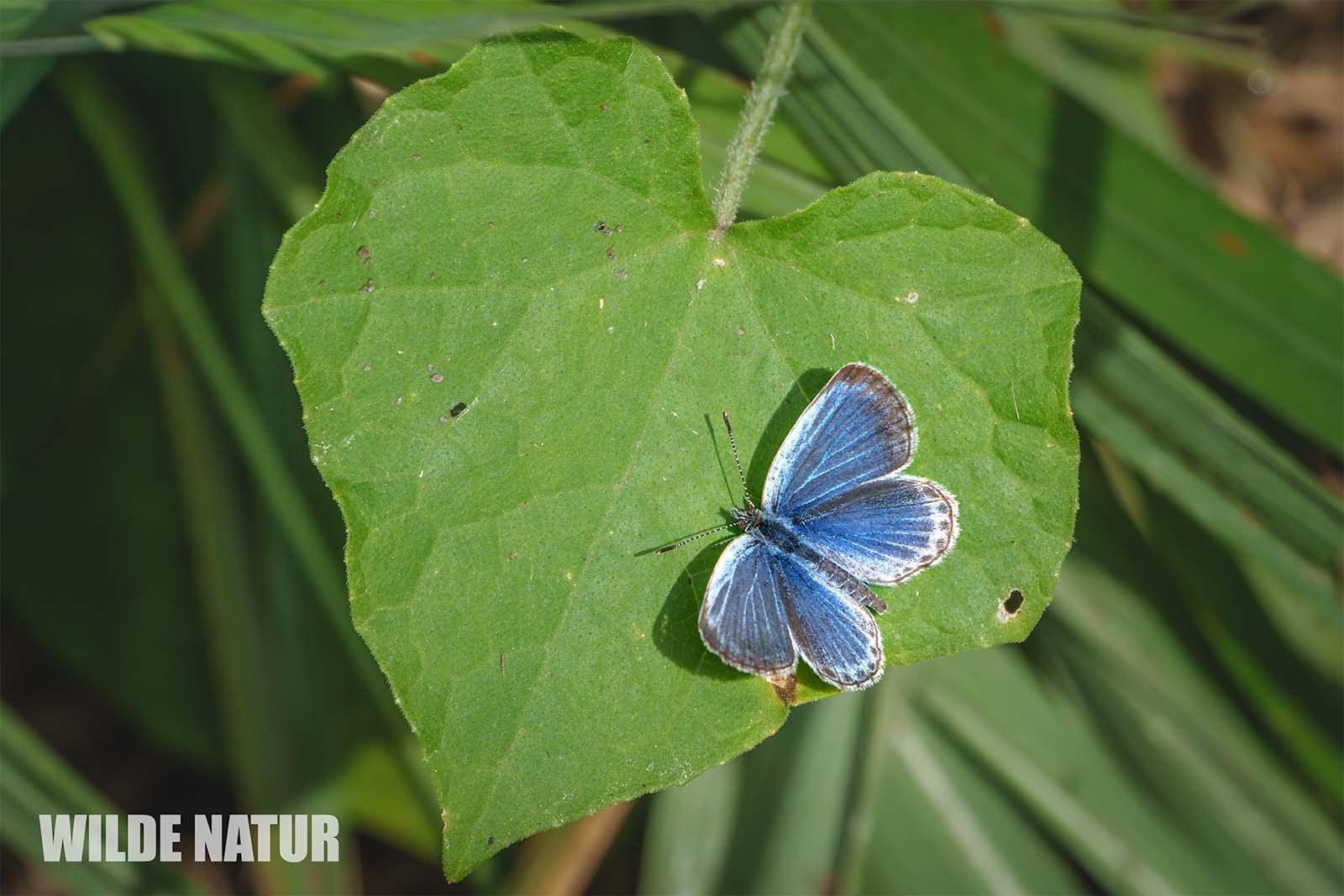
Reverdin’s blue (Plebejus argyrognomon)
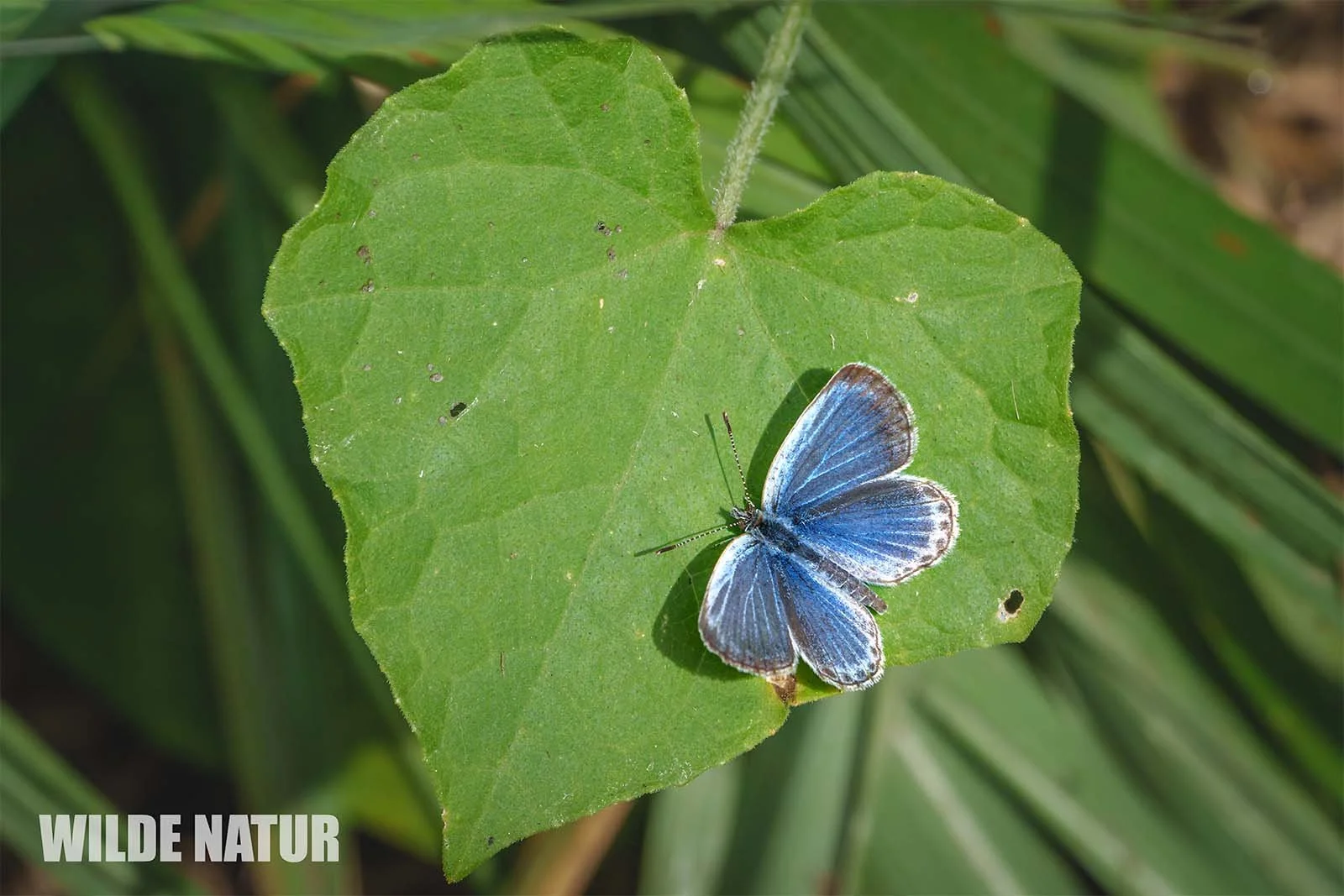
Reverdin’s blue (Plebejus argyrognomon)
Reverdin’s blue: A blue butterfly of dry grasslands
How to identify, observe, and protect Reverdin’s blue: all key facts about its appearance, habitat, flight season, and reproduction.
Key Facts
- Wingspan: 24–32 mm
- Coloration: Males bright blue, females brown with orange
- Habitat: Nutrient-poor grasslands, dry slopes, roadsides
- Flight season: April to September (1–2 generations)
- Larval food plants: Crown vetch, alfalfa, clover
- Special feature: Caterpillars live in symbiosis with ants
- Scientific name: Plebejus argyrognomon
- Order: Lepidoptera (butterflies and moths)
- Family: Blues (Lycaenidae)
- Distribution: Europe to western Asia
- Threat status: Declining locally, dependent on poor, open habitats
—
Table of Contents
- Introduction: A butterfly that wears blue and lives with ants
- Appearance: How to recognise Reverdin’s blue
- Lifestyle: What makes this butterfly special
- Reproduction: Between flowers, caterpillars, and ants
- Seasonal cycle: When you can see the butterfly
- Distribution: Where Reverdin’s blue lives
- Practical examples: Where to find it and what you can do
- FAQ: Frequently asked questions about Reverdin’s blue
- Colour traits at a glance
—
1. Introduction: A butterfly that wears blue and lives with ants
Sometimes just a touch of blue is enough to brighten an entire summer. When you walk through a warm, dry meadow in July, a small butterfly with bright blue wings may lift off right at your feet. It flutters low over the ground, disappears into the grass, then reappears only a few steps away: Reverdin’s blue is unlike most other butterflies. It thrives on sparse, dry soils, appears relatively late in the season, and forms an unusual alliance: its caterpillars secrete sweet droplets—and ants protect them in exchange.
2. Appearance: How to recognise Reverdin’s blue
This butterfly is small but striking, showing how even a few millimetres of wing can create intense colour.
Males
- Upperside: Bright blue with a narrow dark border
- Body: Lightly dusted with blue
- Flight: Low and close to the ground
Females
- Upperside: Dark brown with a bluish sheen at the wing bases
- Margins: Small orange spots along the hindwing edge
- Body: More brownish overall
Both sexes
- Underside: Light grey to beige-grey
- Spots: Bold black dots with white edging
- Submarginal band: Orange, often broken, dark-edged externally
- Antennae: Black and white ringed
- Eyes: Large and dark
- Legs: Slender and pale
Wingspan: 24–32 mm
Body length: 10–14 mm
The bright blue of the males stands out strongly against dry, open ground—one reason why they often fly only short distances to avoid being detected.
3. Lifestyle: What makes this butterfly special
Reverdin’s blue is notable not only for its appearance but also for its distinctive lifestyle—especially its caterpillars.
- Adult diet: Nectar from open, easily accessible flowers such as:
- crown vetch
- clover
- alfalfa
- knapweed
- thistles
- bird’s-foot trefoil
- Flight behaviour: Slow, low, and fluttering—usually only a few metres at a time before settling on a flower or slipping into the vegetation.
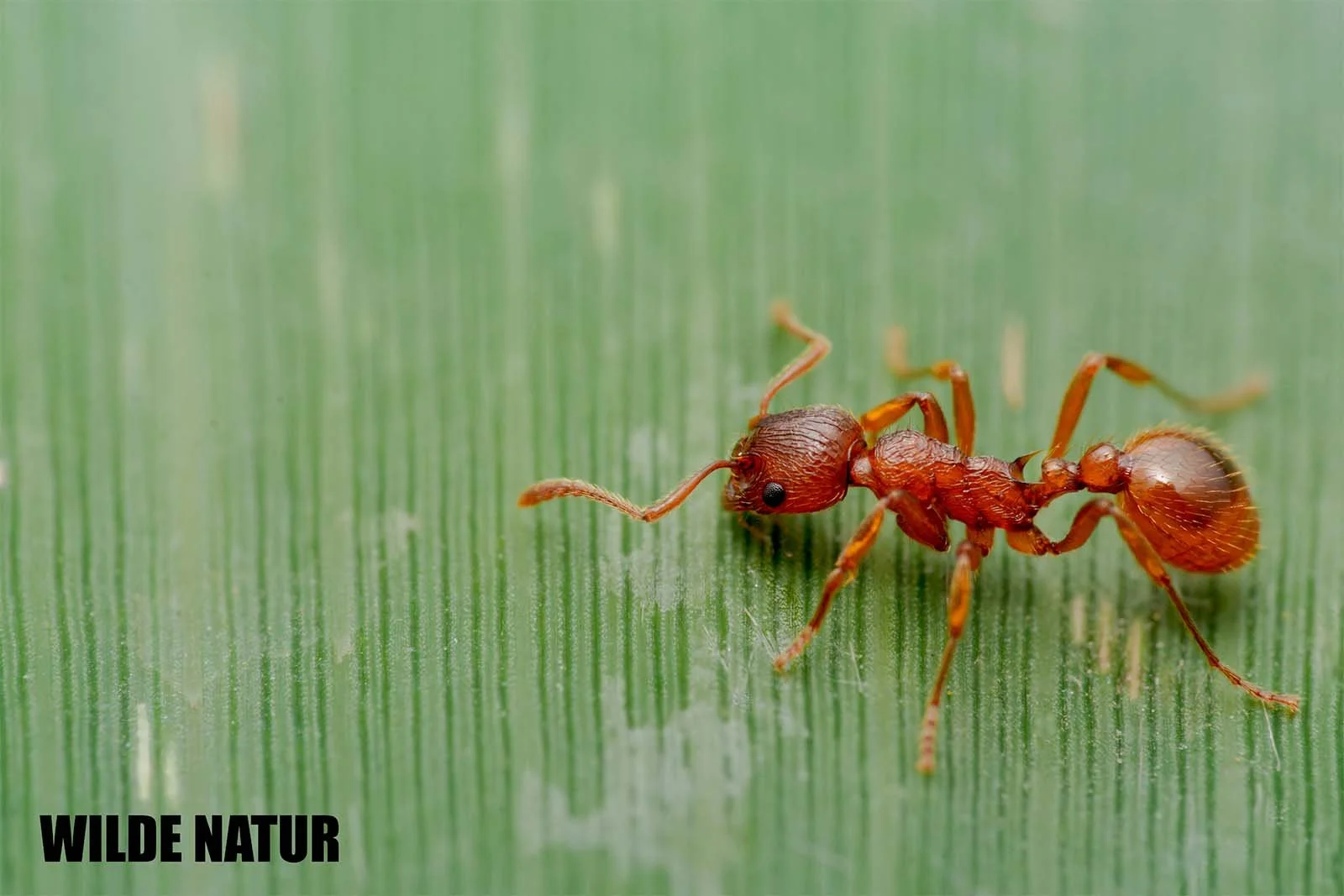
- Symbiosis with ants: The caterpillars are myrmecophilous, living closely with ants. They secrete sweet droplets that ants “milk,” and in return the ants protect them from predators and parasites.
4. Reproduction: Between flowers, caterpillars, and ants
A butterfly’s life begins as a tiny egg, well hidden on the underside of a leaf. Reverdin’s blue follows this strategy too.
Egg-laying
- Eggs are laid singly on young leaves or shoots, typically on crown vetch, sometimes on alfalfa or clover.
Caterpillar stage
- Appearance: Green, short-haired, compact
- Behaviour: Excellent camouflage due to shape and colour
- Diet: Young leaves and flower parts
- Special feature: Ants guard the caterpillars and sometimes even assist during pupation.
Pupation
- Location: On the ground, in leaf litter, or in low vegetation
- Protection: Often near ant nests, sometimes actively guarded
Generations
- One or two per year, depending on region and climate
Overwintering
5. Seasonal cycle: When you can see the butterfly
Flight season
- First generation: Late April to June
- Second generation: July to September (where present)
Warm, sunny weather significantly increases activity. Reverdin’s blue prefers open, sunlit places and is easiest to observe on hot summer days.
6. Distribution: Where Reverdin’s blue lives
This butterfly is site-faithful, staying where its host plants grow. Crown vetch is especially important—hence its English and scientific naming context.
Preferred habitats
- Nutrient-poor grasslands
- Dry meadows
- Railway embankments
- Roadsides
- Extensively grazed pastures
- Dry slopes with sparse vegetation
Range
- Europe to western Asia
- Central Europe: patchy, often restricted to small, isolated populations
- Germany: rare in some regions, still regular in others
Its presence signals intact, nutrient-poor habitats. As areas become overgrown or heavily managed, Reverdin’s blue disappears.
7. Practical examples: Where to find it and what you can do
Example 1: Railway embankment with crown vetch
A south-facing railway embankment with rarely mown verges and abundant crown vetch offers ideal conditions. Both males and females can be seen nectaring or laying eggs here.
Example 2: Dry grassland with ant mounds
On an extensively grazed dry grassland, multiple colonies of meadow ants coexist with the butterfly. Caterpillars of the second generation are regularly observed feeding—always in the company of ants.
How you can help
- Avoid fertilizing and mowing during the flight period
- Preserve crown vetch and clover species
- Maintain structural diversity (stones, patches of bare soil)
- Protect ant populations
8. FAQ: Frequently asked questions about Reverdin’s blue
1. How can I recognise Reverdin’s blue most reliably?
Males are bright blue with a dark border; females are brown with orange hindwing spots. Both sexes have a distinctly patterned underside.
2. When does the butterfly fly?
From late April to September, usually in two generations depending on the region.
3. What do the caterpillars eat?
Mostly crown vetch, but also alfalfa and common clovers.
4. Why do the caterpillars live with ants?
They produce sweet secretions that ants collect. In return, the ants defend them from predators.
5. Is Reverdin’s blue threatened?
Yes—locally. Main threats include habitat loss, fertilisation, and intensive land use.
9. Colour traits at a glance
Males
- Upperside: Bright blue
- Body: Blue-dusted
- Border: Narrow and dark
Females
- Upperside: Brown with slight blue at the base
- Hindwing edge: Orange spots
Both
- Underside: Light grey to beige
- Spots: Black with white rings
- Submarginal band: Orange, often broken
- Antennae: Black and white ringed
- Legs: Pale and fine
- Eyes: Dark