
Insect Profiles: Your Macro Photo Compass for Buzzing & Humming
What is this page about?
This page is your hub for insect profiles. Here you’ll find a collection of field observations, accompanied by detailed macro photography. Each photo offers a glimpse into a microcosm that is often overlooked. Alongside the images, you’ll get short, easy-to-read profiles with key facts about each insect.
Whether you’re a nature enthusiast, hobby photographer, or simply curious – these insect profiles are a compass that shows just how fascinating the tiniest inhabitants of our world really are.
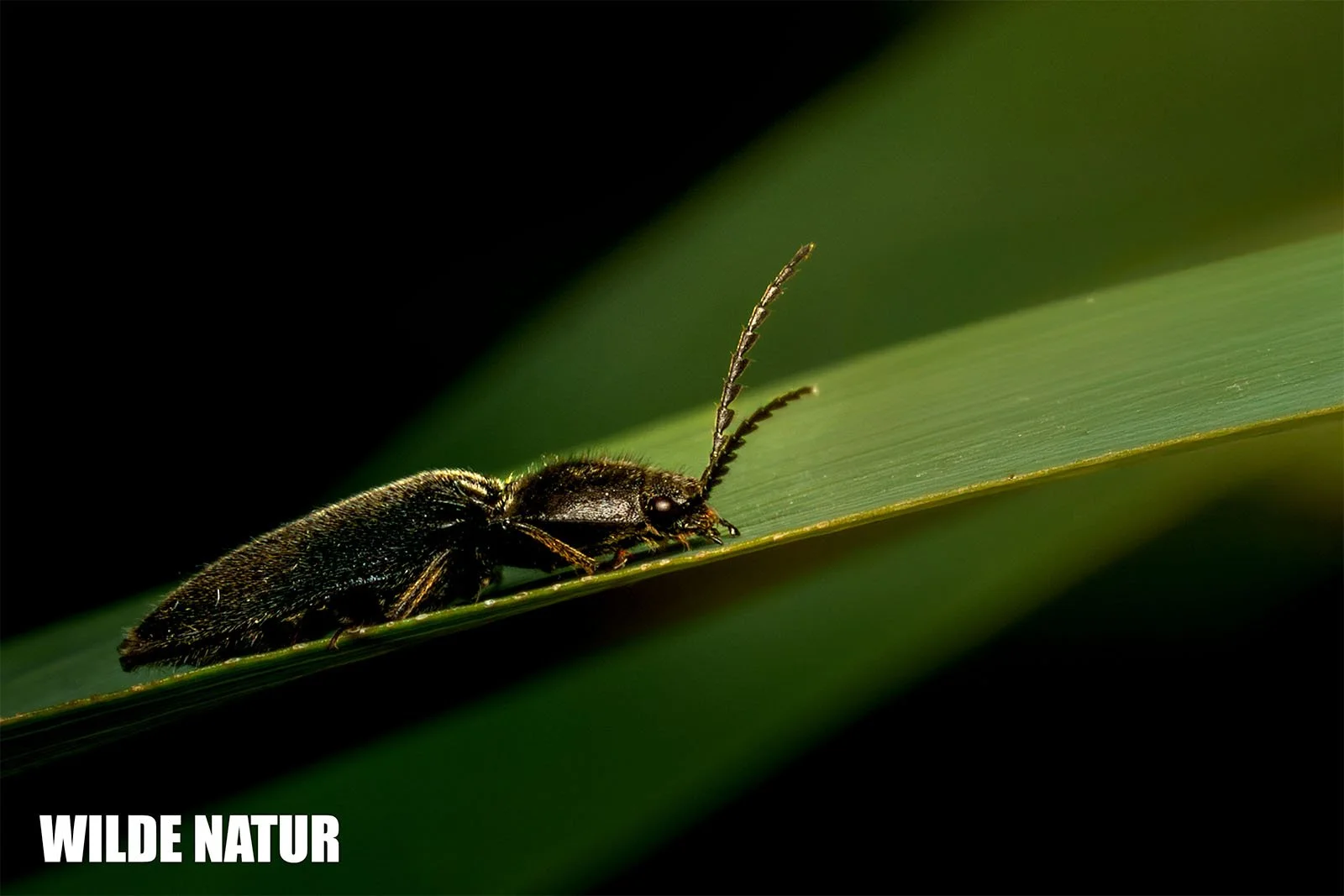
Black click beetle (Hemicrepidius niger)
Black click beetle (Hemicrepidius niger): characteristics, behavior, development, distribution & more – everything about this shiny, elusive jumper.
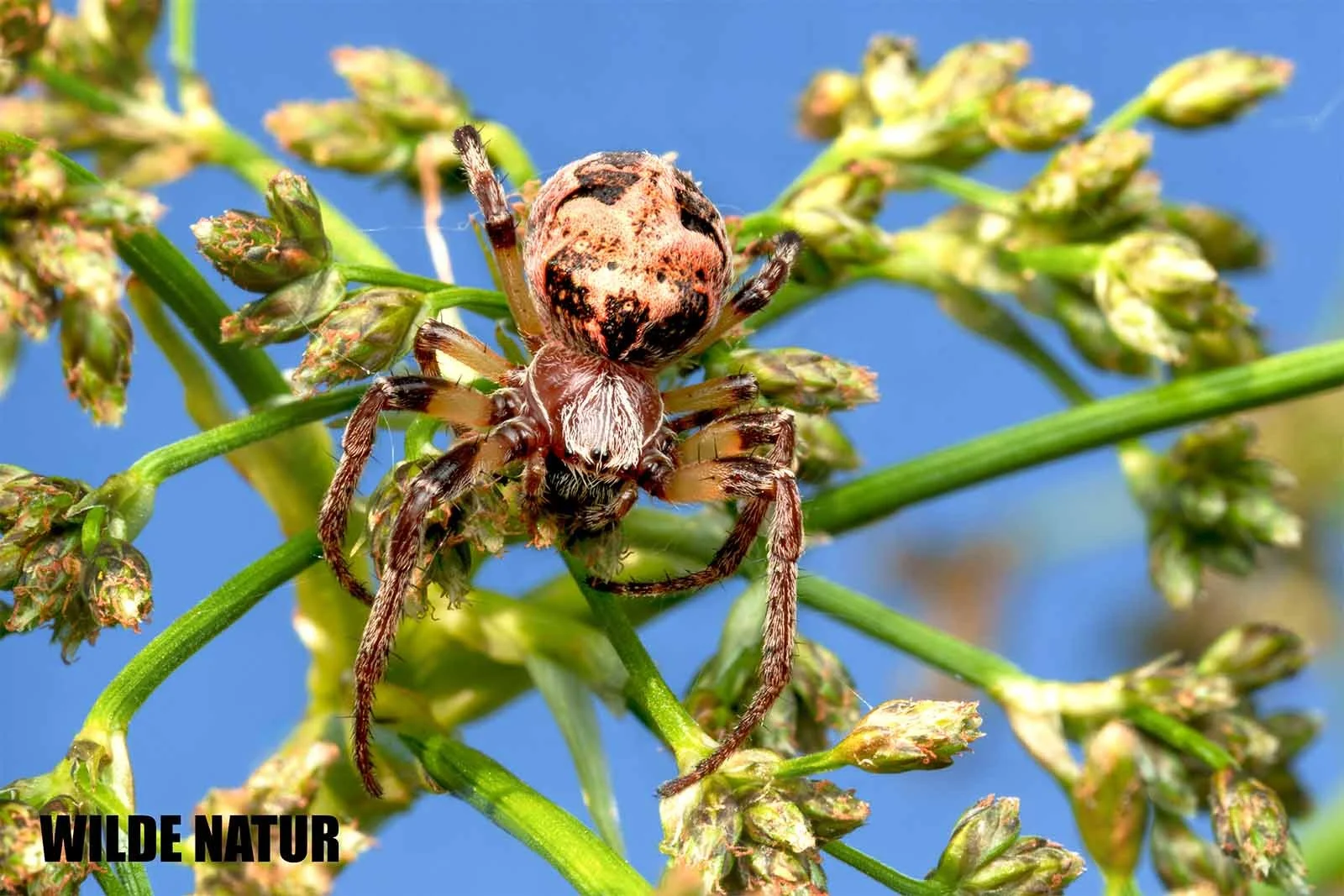
Furrow Spider (Larinioides cornutus)
Furrow spider (Larinioides cornutus): Learn all about this common orb-weaving spider found near water characteristics, behavior, web-building, and lifestyle.
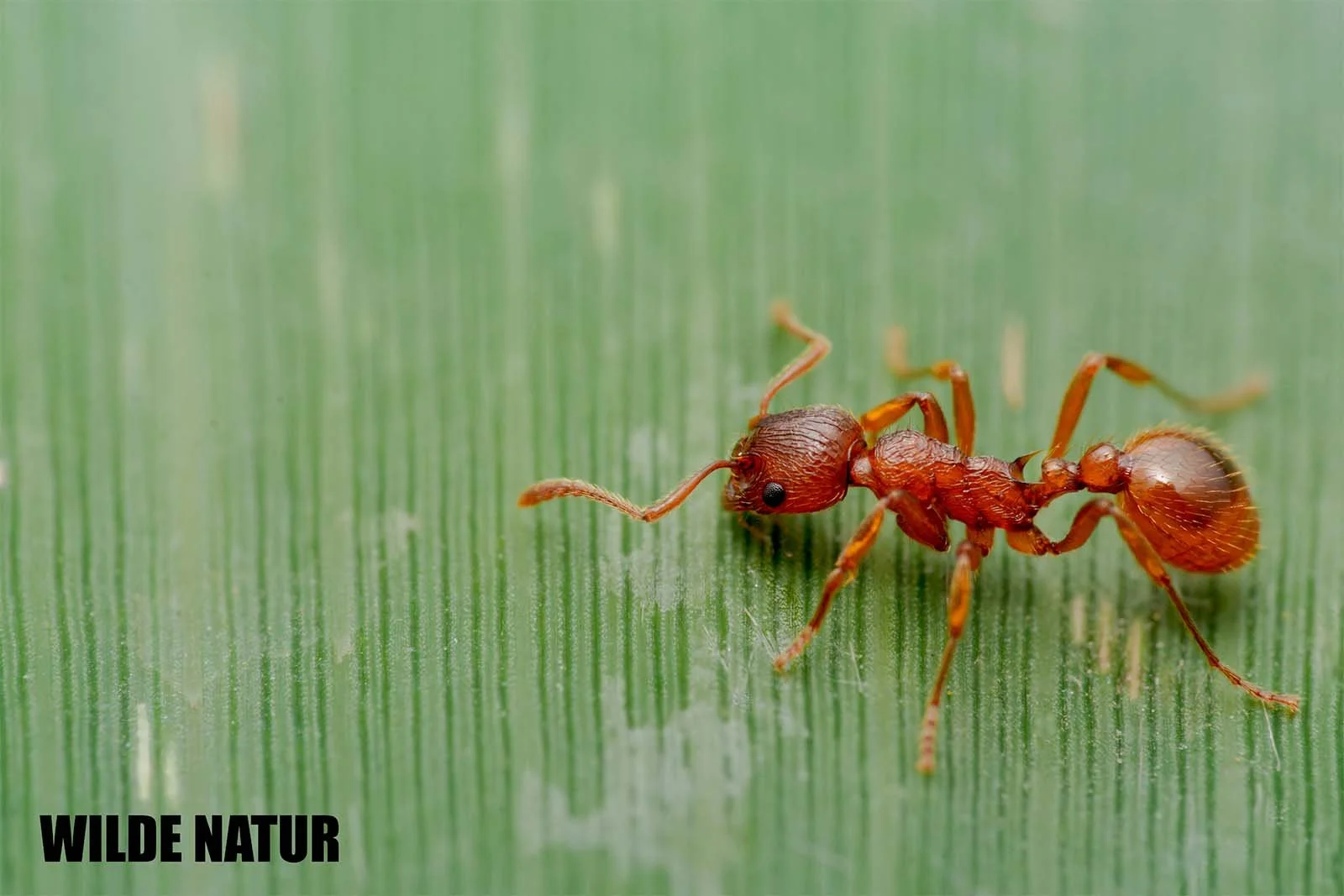
Common Red Ant (Myrmica rubra)
The common red ant (*Myrmica rubra*): traits, colony structure, diet, reproduction, and why it’s frequently found in gardens.
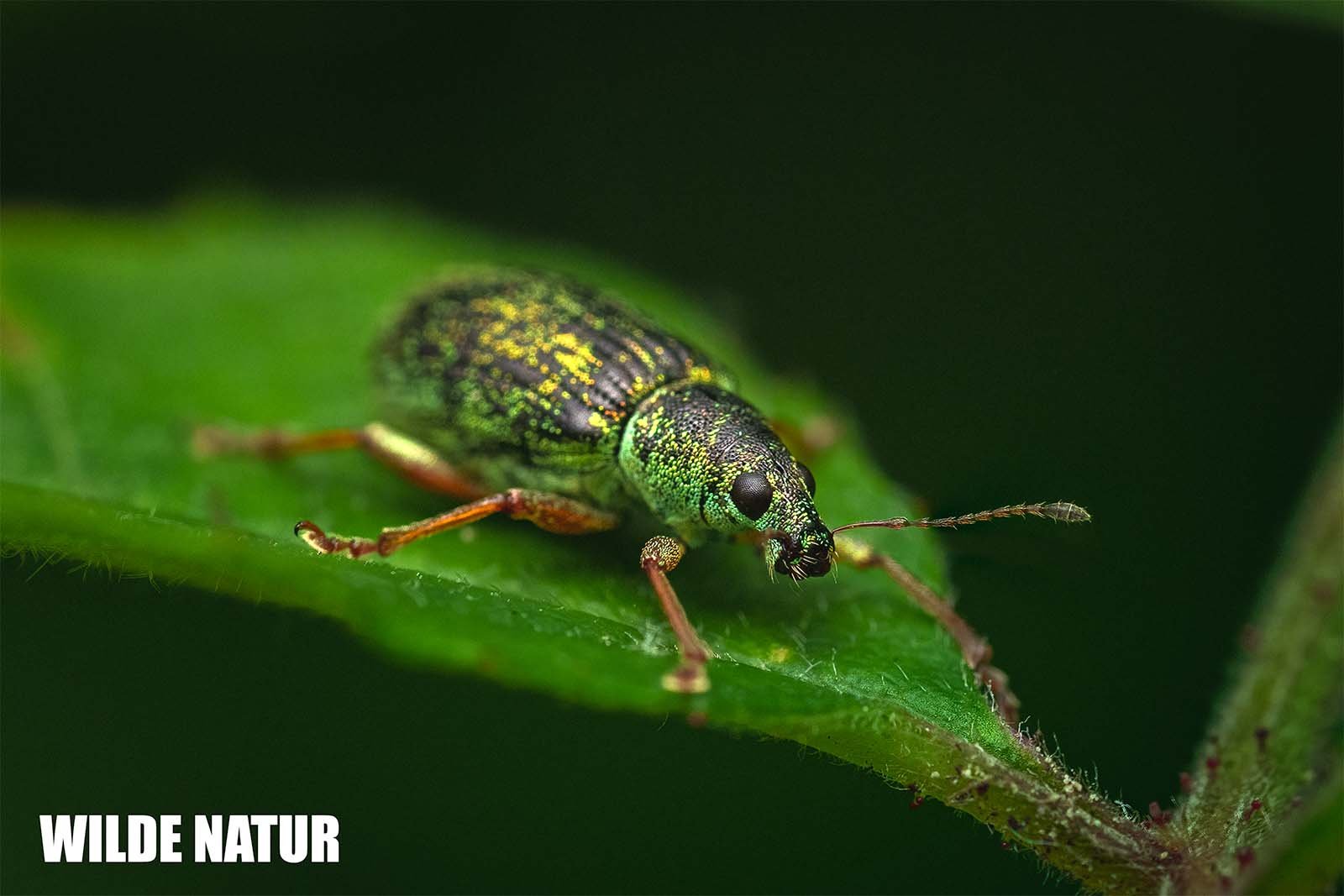
Green Immigrant Leaf Weevil (Polydrusus formosus)
The Green Immigrant Leaf Weevil (Polydrusus formosus) characteristics, life cycle, diet, distribution, and its ecological role in gardens and nature…
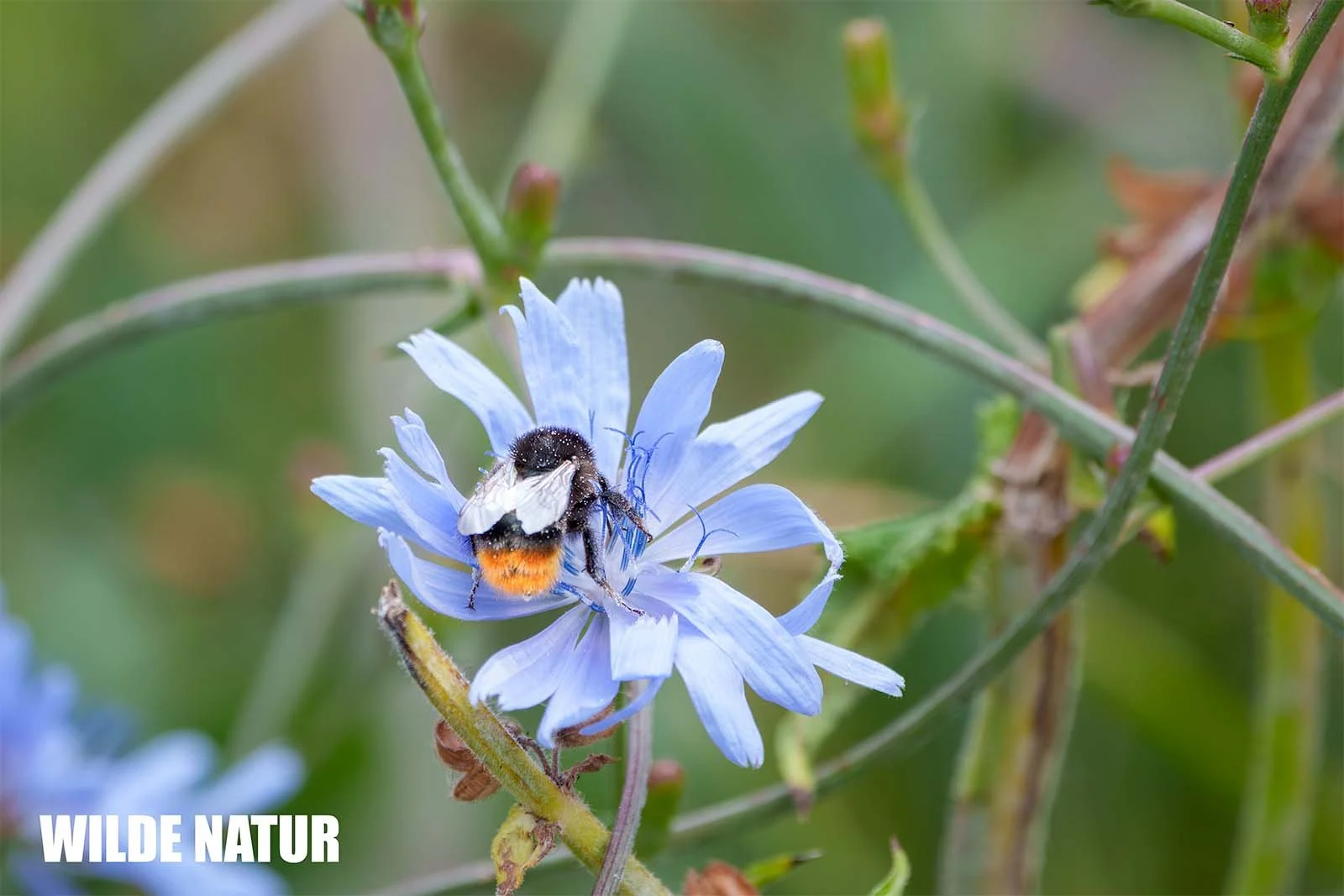
Red-Tailed Bumblebee (Bombus lapidarius)
The red-tailed bumblebee (Bombus lapidarius) is a common bumblebee species with a striking red abdomen. Learn all about its appearance, life cycle, and ecological importance.
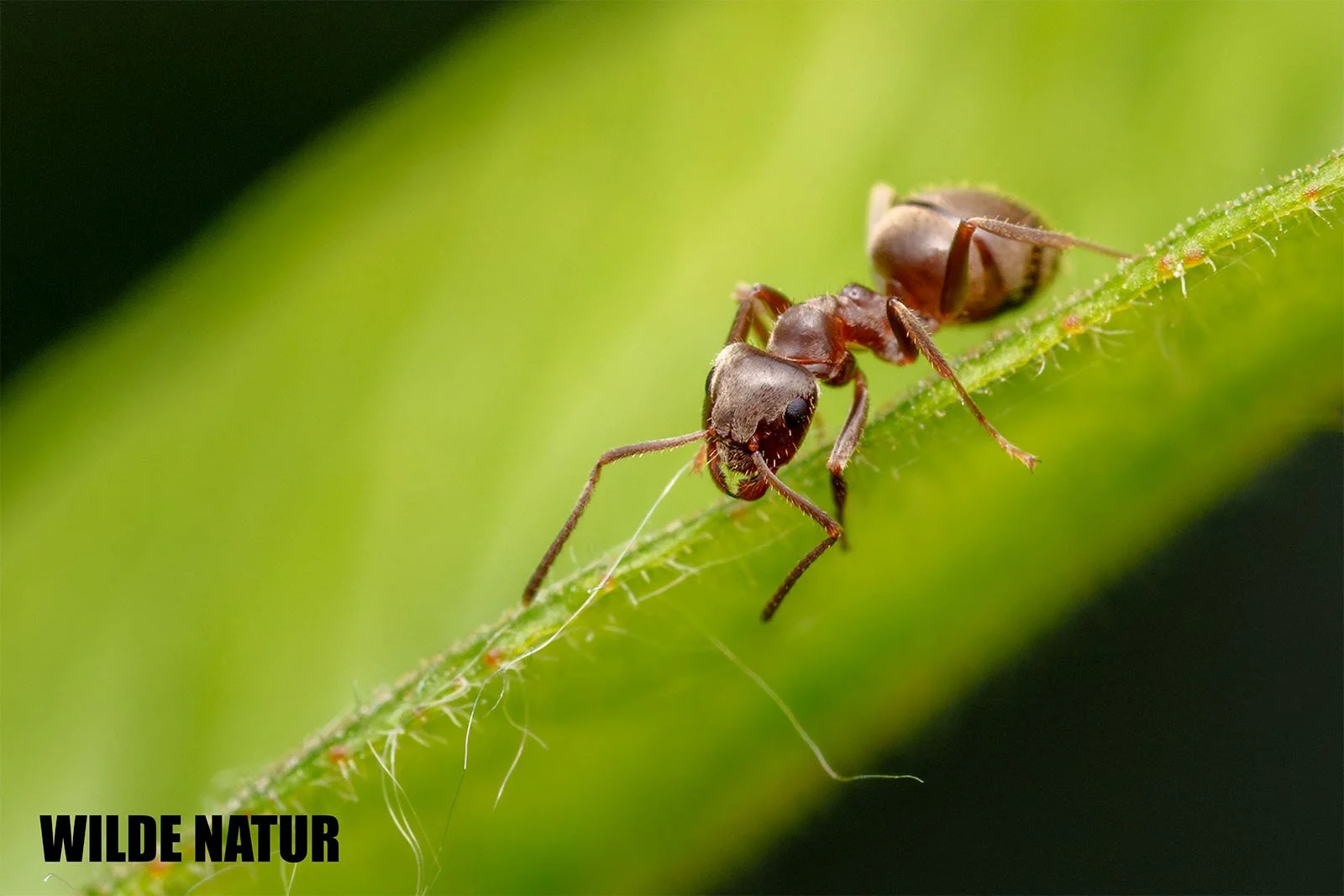
Black Garden Ant (Lasius niger)
All about the black garden ant: appearance, nest building, diet, behavior, and why it's so common in gardens. Clearly explained and easy to understand!
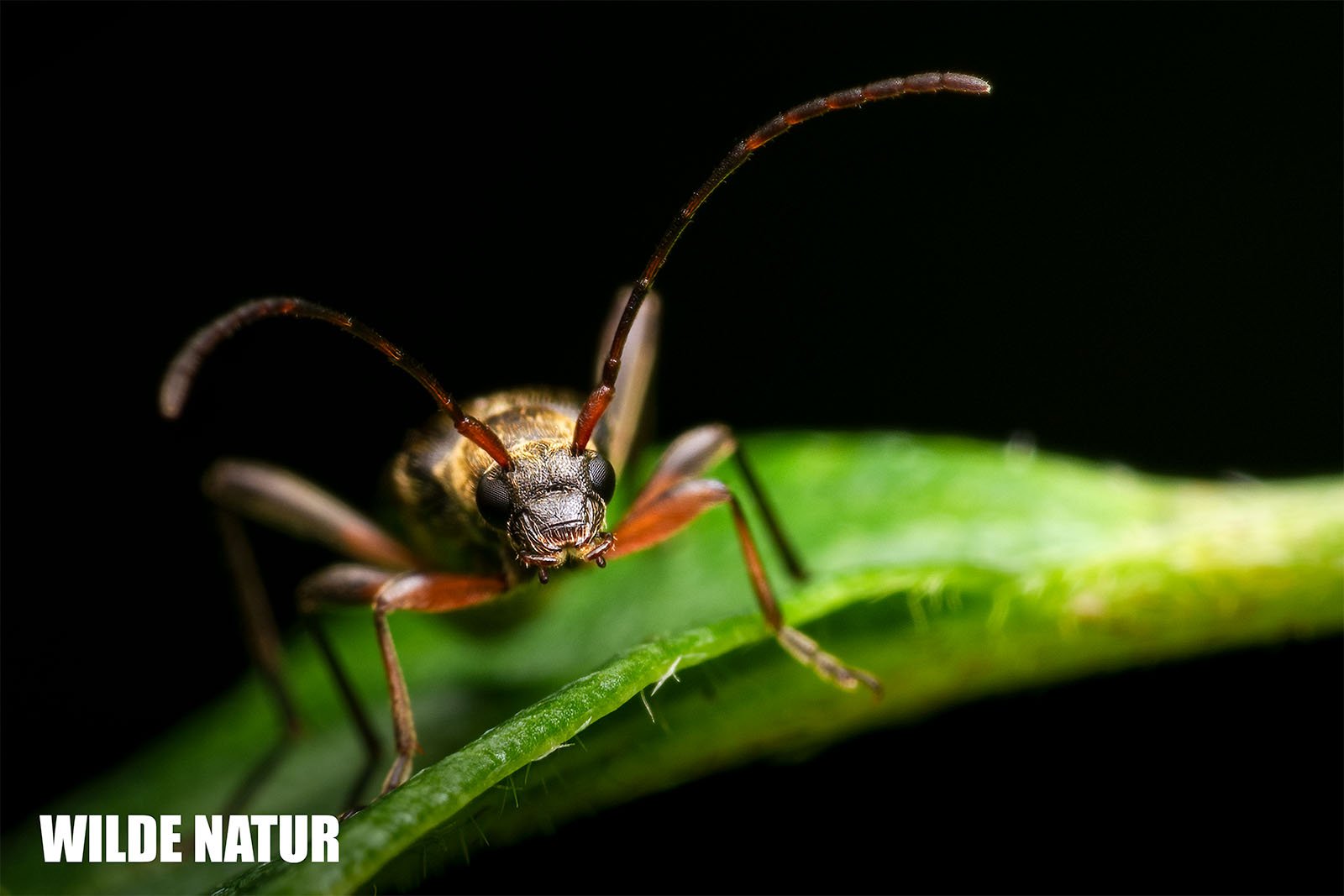
Green Longhorn Beetle (Lepturobosca virens)
Green longhorn beetle (Lepturobosca virens): A rare, green-shimmering longhorn beetle of old conifer forests. Learn how it lives and why deadwood is vital to its survival.
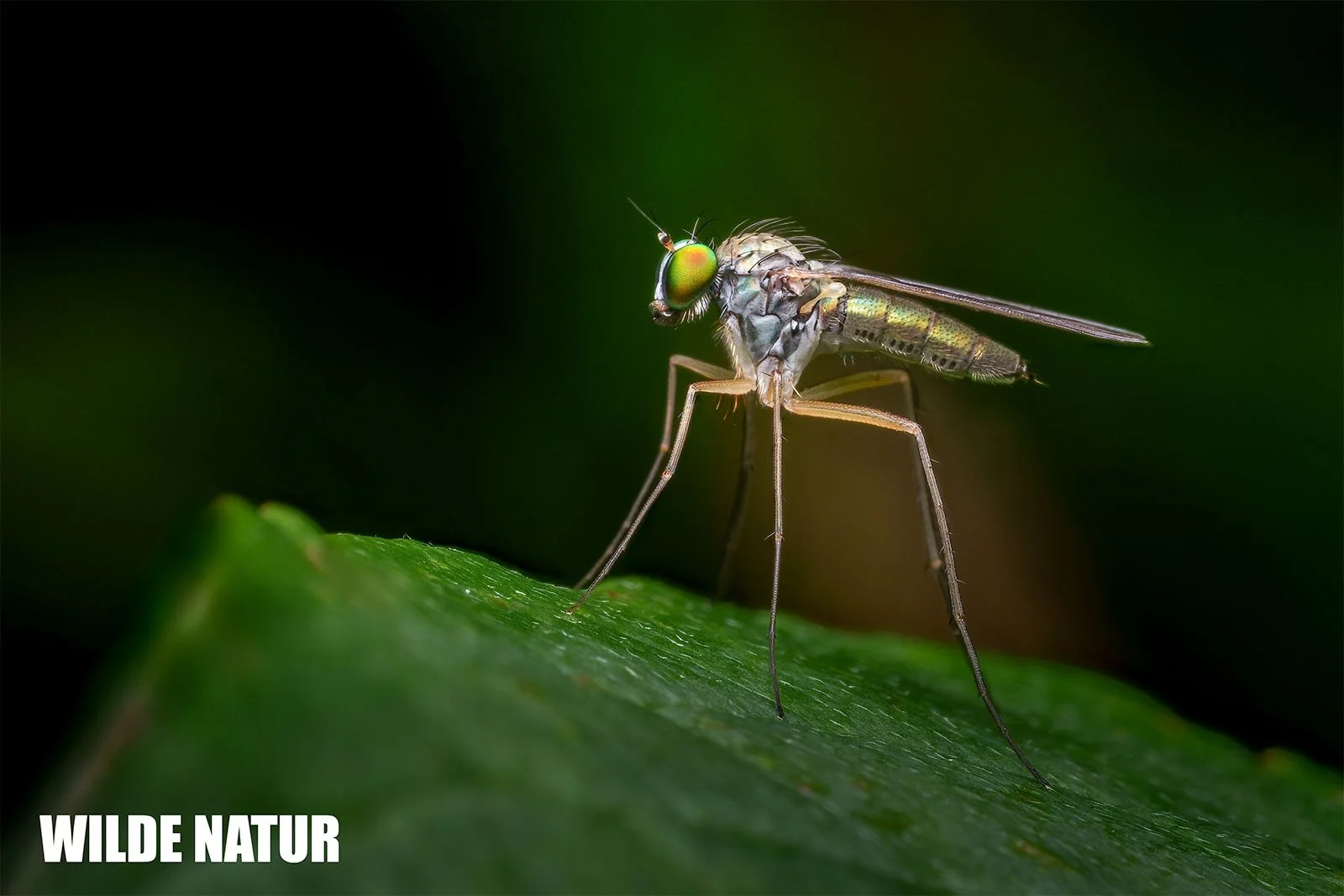
Long-Legged Flies (Dolichopodidae)
Long-legged flies (Dolichopodidae): Gleaming mini-predators with long legs, found worldwide and helpful in the garden. Discover their hidden daily life.
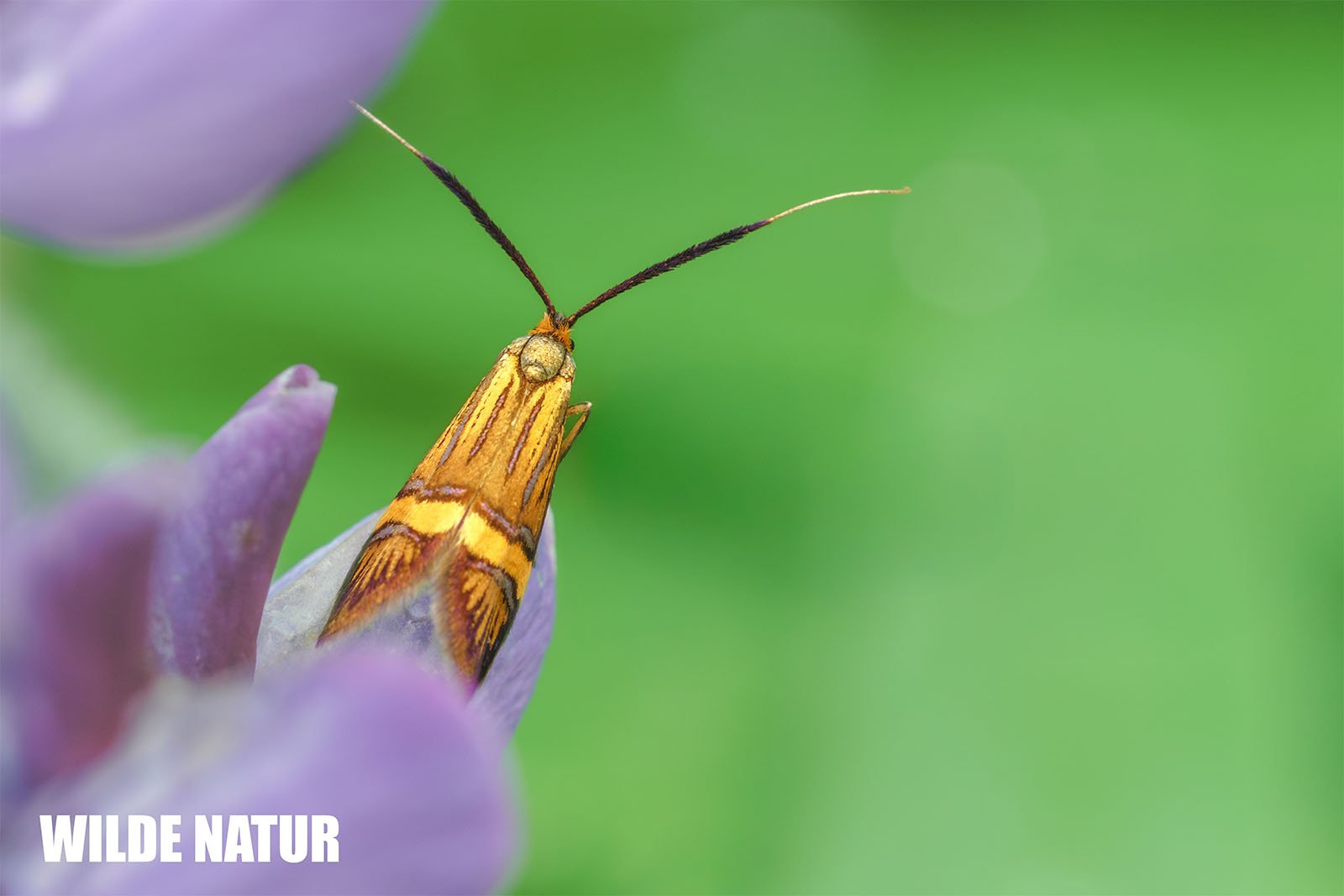
Yellow-Barred Long-Horn (Nemophora degeerella)
Yellow-barred long-horn (Nemophora degeerella): A delicate day-flying moth with strikingly long antennae – harmless, beautiful, and easy to spot. Discover its secret life.
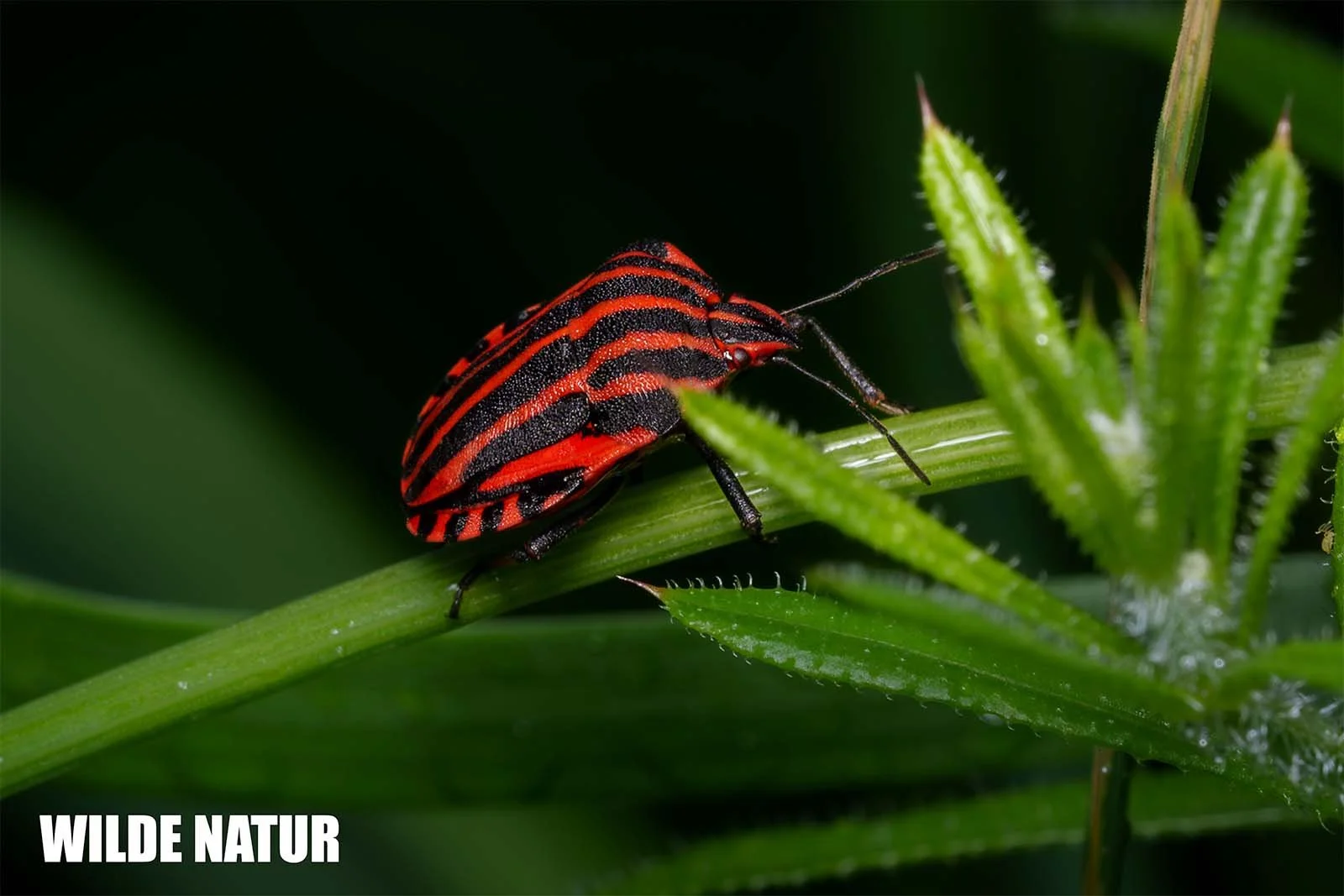
Striped bug (Graphosoma italicum)
Discover the striped bug: appearance, lifestyle, distribution, and tips for wildlife-friendly gardens. Harmless, striking, and fascinating
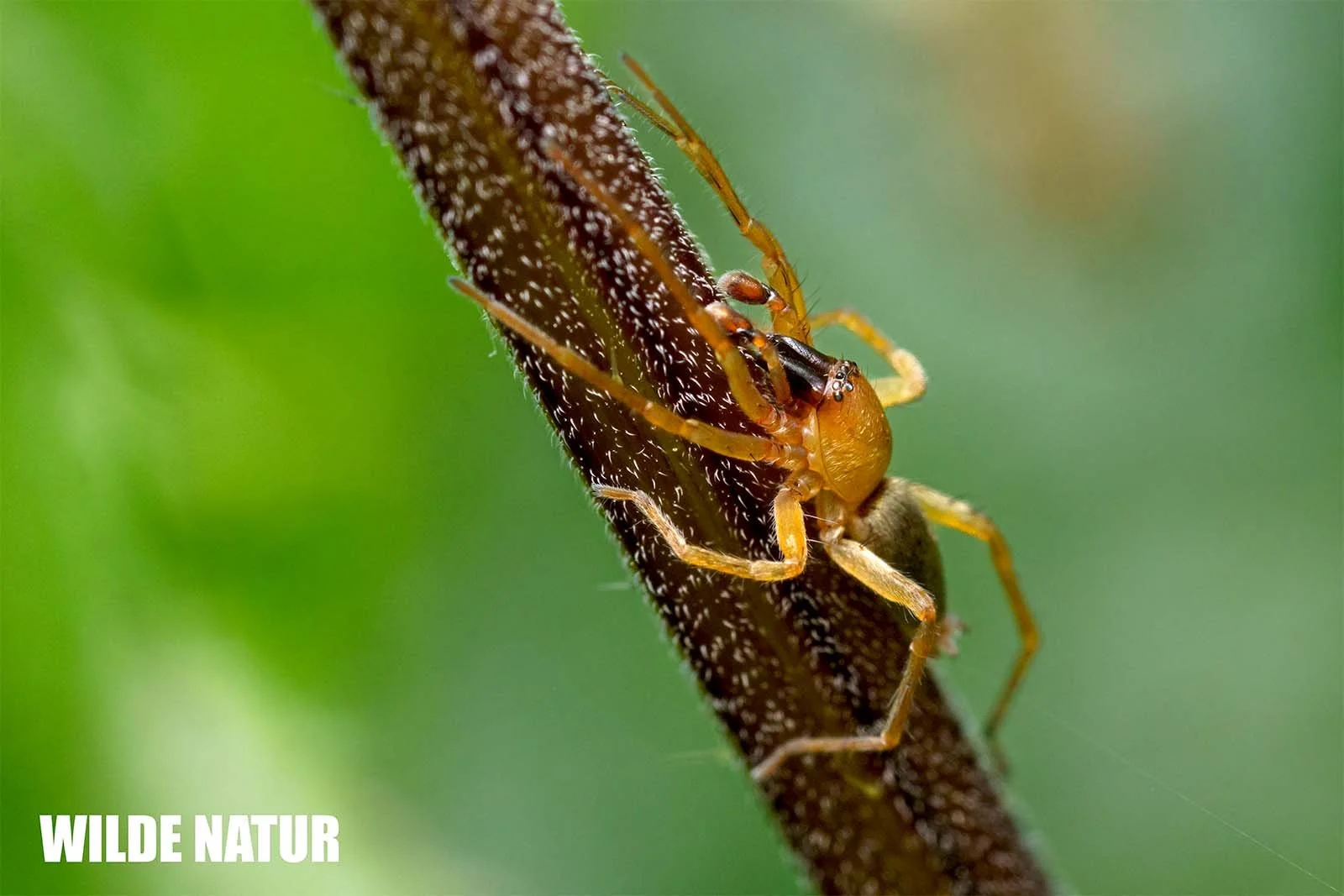
Yellow sac spider (Cheiracanthium punctorium)
Yellow sac spider: profile, life cycle, distribution, and how to assess and interpret encounters with this striking spider.
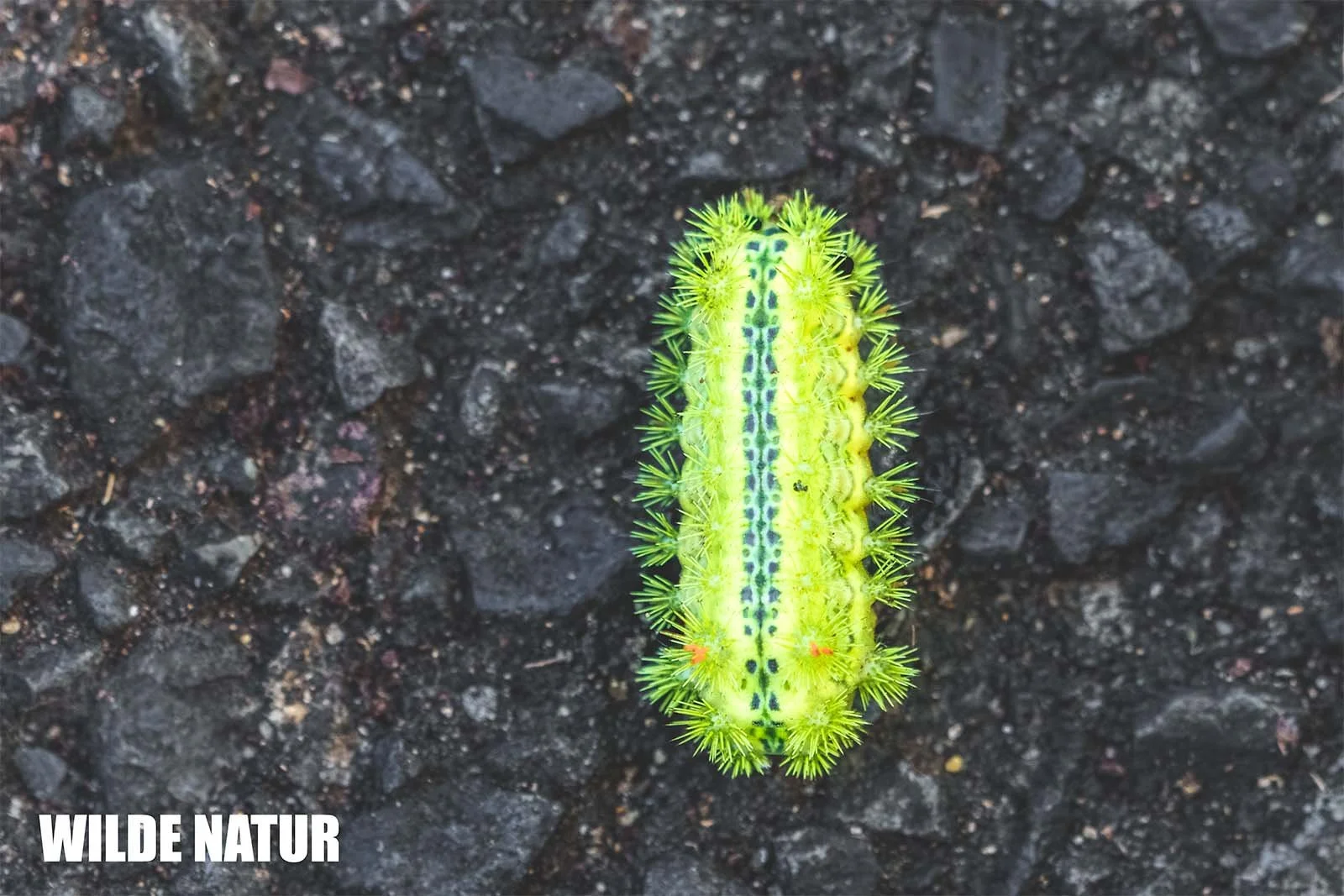
Blue-striped nettle grub (Parasa lepida)
How to identify and understand Parasa lepida: the green-yellow nettle grub from Asia with irritating spines, a wide host-plant range, and high damage potential.
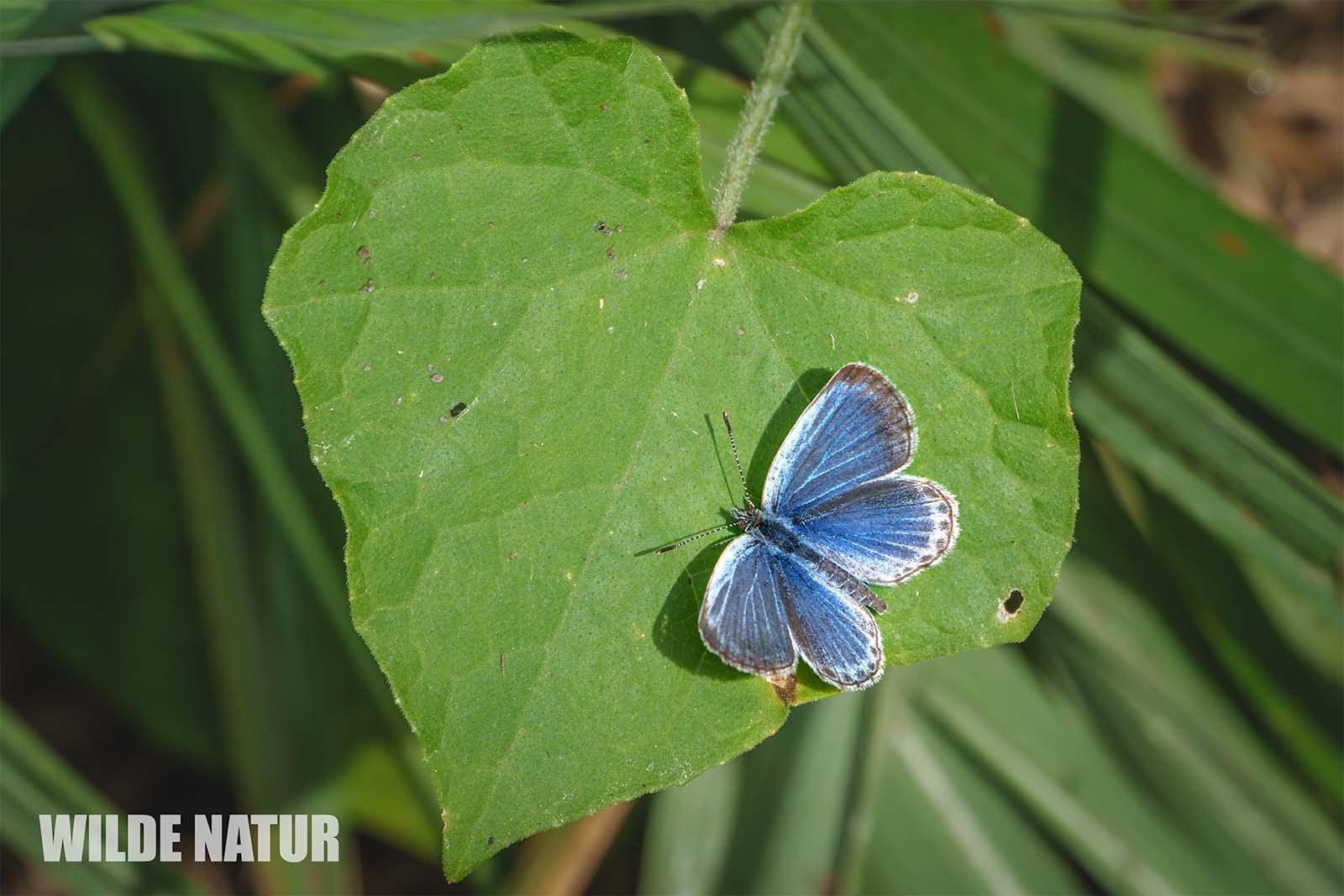
Reverdin’s blue (Plebejus argyrognomon)
How to identify, observe, and protect Reverdin’s blue: all key facts about its appearance, habitat, flight season, and reproduction…
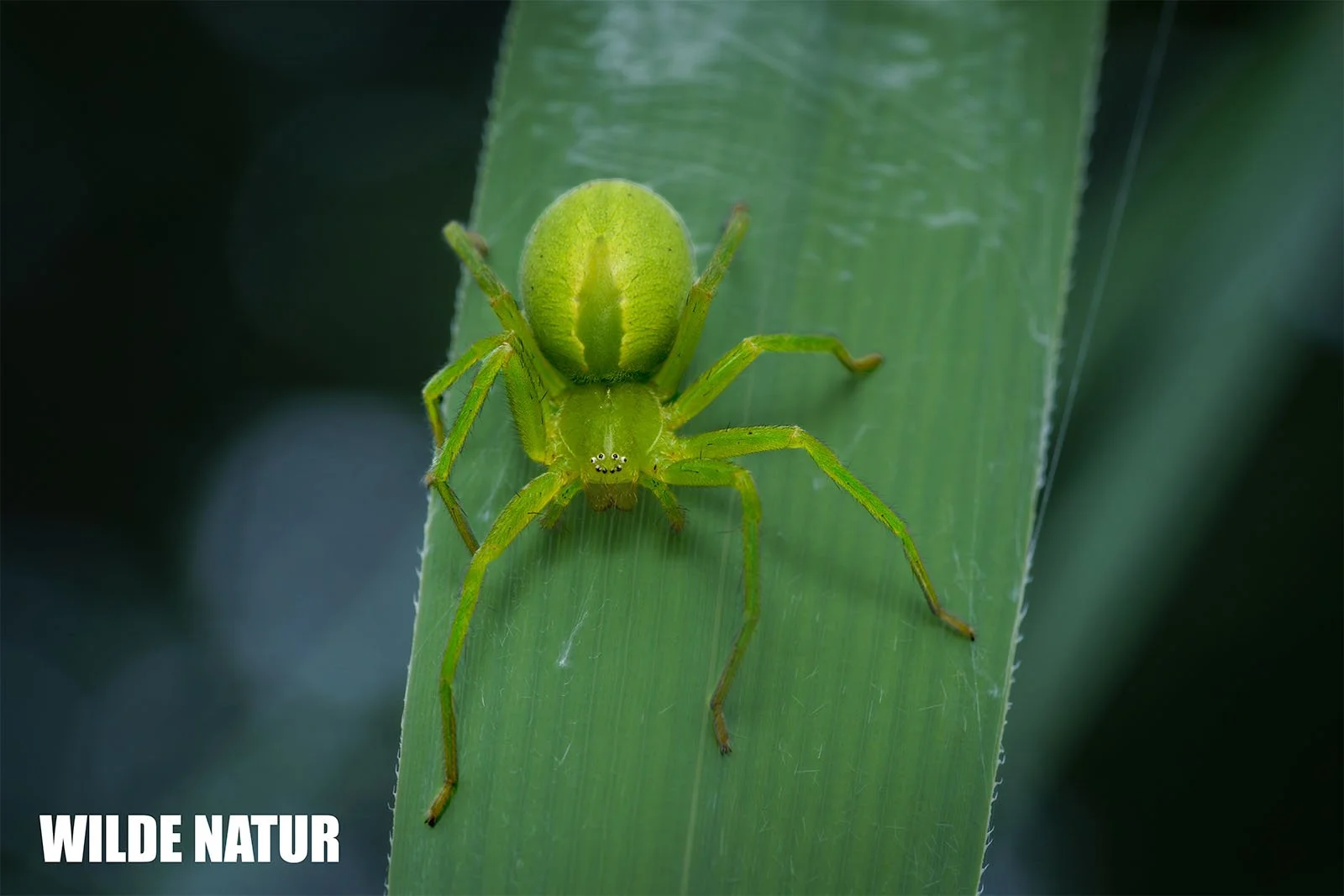
Green huntsman spider (Micrommata virescens)
The green huntsman spider is a strikingly green and agile hunter. Learn all about its appearance, behavior, lifestyle, and distribution.

Common Snouted Grasshopper (Acrida ungarica)
The common snouted grasshopper (Acrida ungarica) is a perfectly camouflaged specialist of dry grasslands. Discover everything about its appearance, behavior, and distribution.
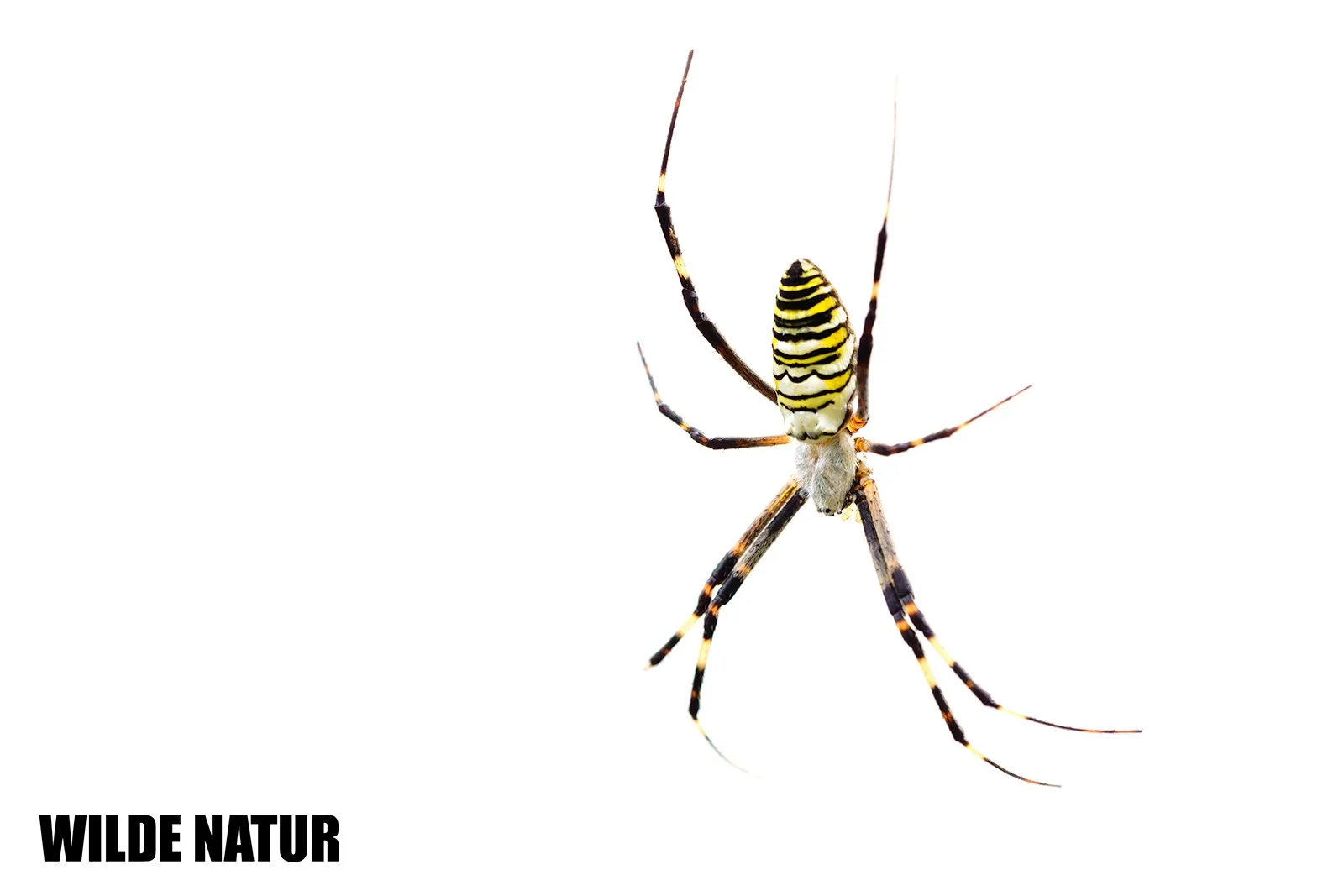
Wasp Spider (Argiope bruennichi)
The wasp spider is a striking orb-weaver with black, yellow, and white stripes. Learn all about its appearance, lifestyle, reproduction, and distribution.

Japanese Grasshopper (Patanga japonica)
The Japanese grasshopper (*Patanga japonica*) survives winter as an adult. Learn everything about its appearance, behavior, diet, and distribution.
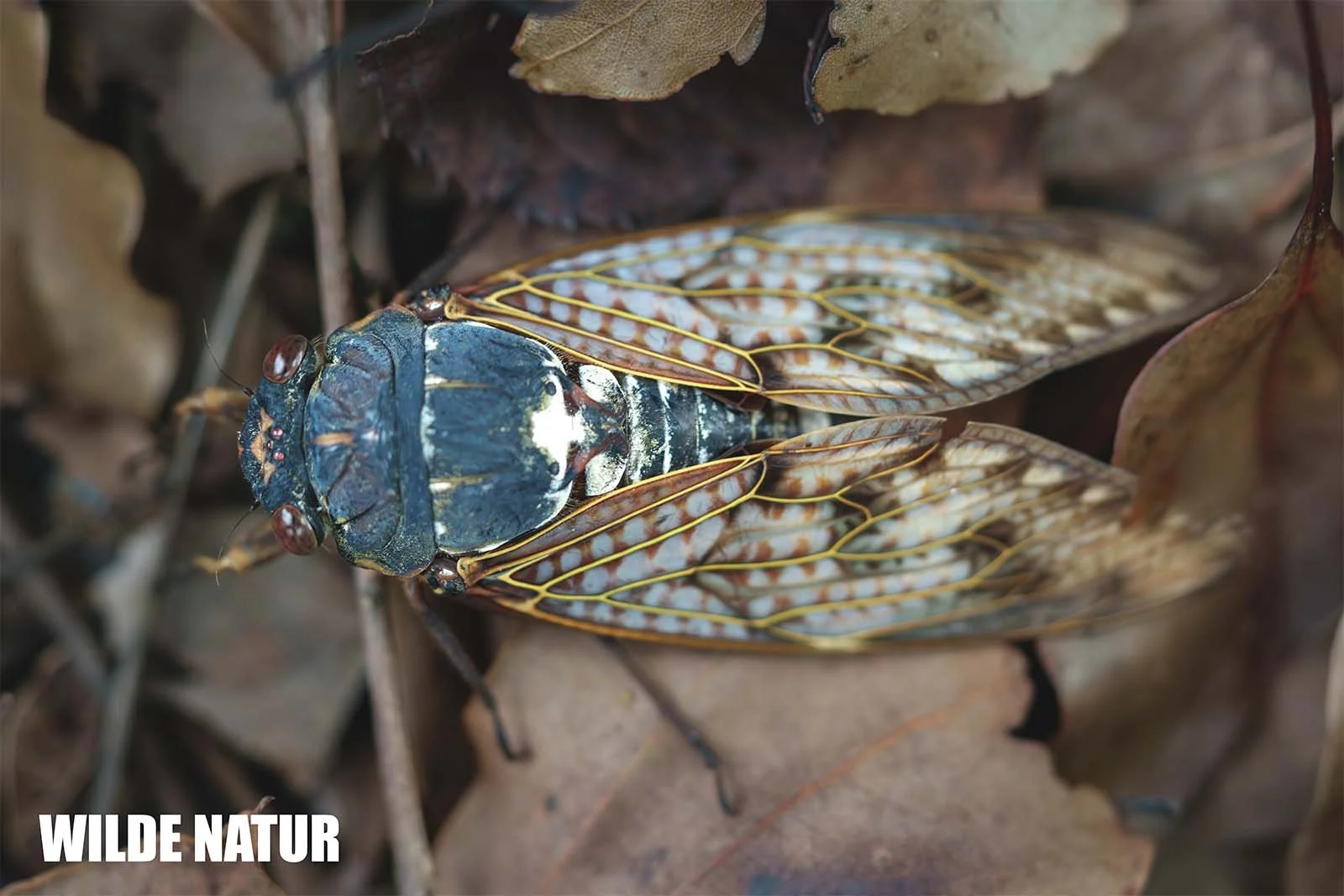
Graptopsaltria nigrofuscata
The large brown cicada defines Japanese summers with its loud calls. Learn everything about its appearance, lifestyle, reproduction, and distribution…
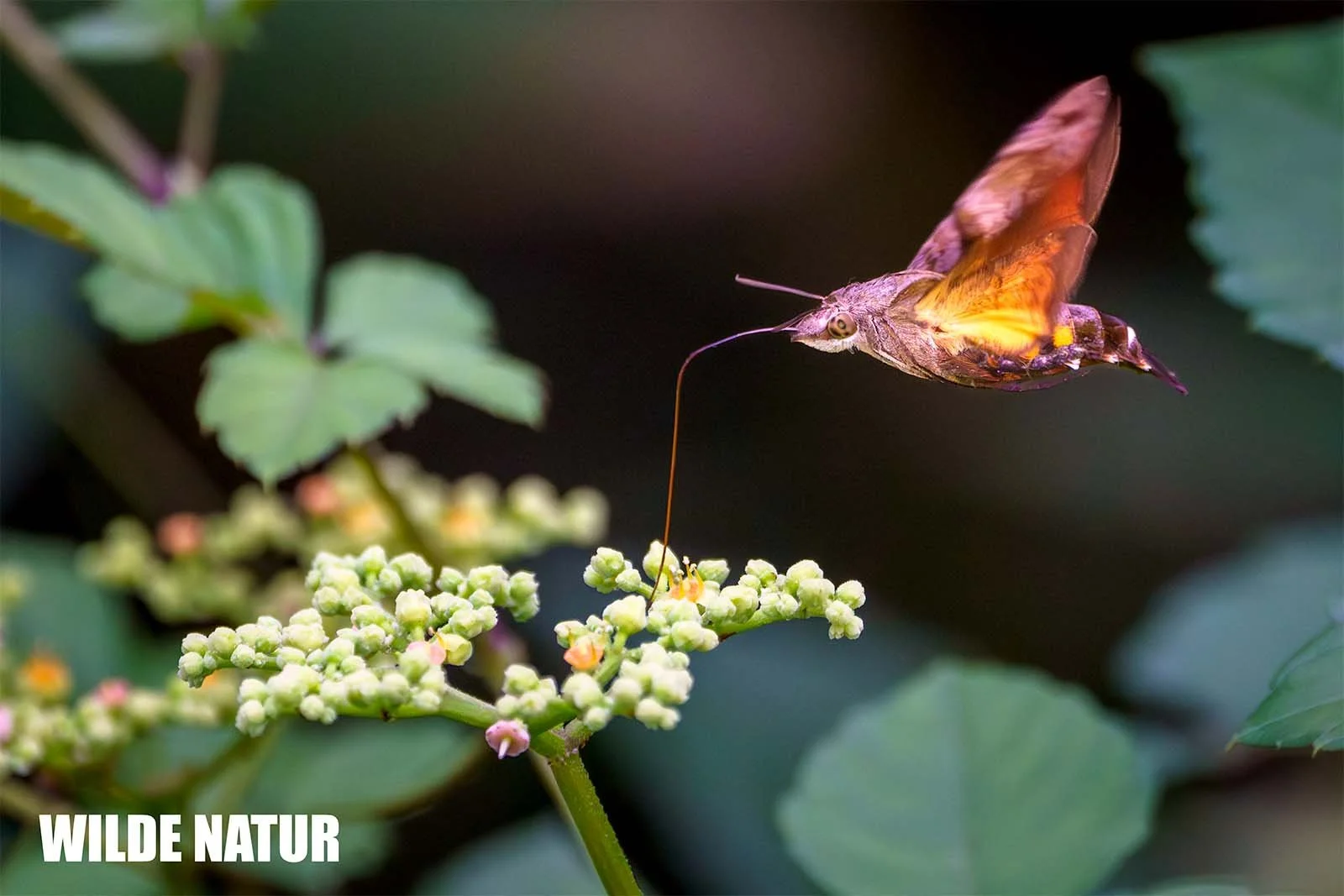
Hummingbird Hawk-moth (Macroglossum stellatarum)
The hummingbird hawk-moth is a day-flying migratory moth that hovers in place to sip nectar. Discover everything about its appearance, diet, lifestyle, and distribution…

Trichonephila clavata or Joro-spider (ジョロウグモ)
In Japan, Trichonephila clavata is commonly known as the “Jorō-gumo” (ジョロウグモ). The word “Jorōgumo” (女郎蜘蛛) originally comes from folklore, referring to a mythical…
Why insects and macro photography?
Macro photography reveals what usually escapes us in daily life: the delicate wing structures of a dragonfly, the pollen hairs of a bee, or the intricate patterns on a butterfly’s wings.
The mix of insect knowledge and photography not only brings you beautiful images but also explains why these creatures are so vital for us.
Example:
- A photo of a bumblebee on a fruit blossom is more than just a pretty picture – it also shows its role as a pollinator.
- A dung beetle in autumn, captured up close, looks like a tiny soil worker – and makes clear how important it is for soil health.
Key facts about the insect world
- 75% of our cultivated crops depend on pollinators, though they account for only about 35% of global food production.
- According to the Krefeld study, the biomass of flying insects dropped by up to 82% in midsummer between 1989 and 2016.
- Main causes identified in scientific literature include intensive farming (including pesticides), habitat loss, climate change, and light pollution – even though the Krefeld study itself did not prove specific causes.
- Insects are active year-round – from the first bumblebee buzz in spring to winter gnats in the cold season.
Why insects matter
Pollination
Without bees, bumblebees, and butterflies, there would be no apples, tomatoes, or berries.
Pest control
Ladybugs and lacewings keep aphids in check – no chemicals needed.
Soil health
Beetles and woodlice turn dead plant material into fertile humus.
Food source
Many animals, such as birds and bats, depend on insects for food.
Insect decline – and why it happens
- Monocultures → Less flower diversity
- Pesticides → Decline of many species
- Sealed surfaces → Loss of habitat
- Light pollution → Disorientation and exhaustion
- Climate change → Shifts in flowering seasons
- Extreme weather → Nests and larvae destroyed
Your gateway into the microcosm
The insect profiles on Wildenatur.com combine nature knowledge with macro photography, making the small world of six-legged creatures accessible to everyone.
Discover details you would never normally see, and learn why every buzz and hum is part of a bigger whole: our shared habitat.