Furrow Spider (Larinioides cornutus)
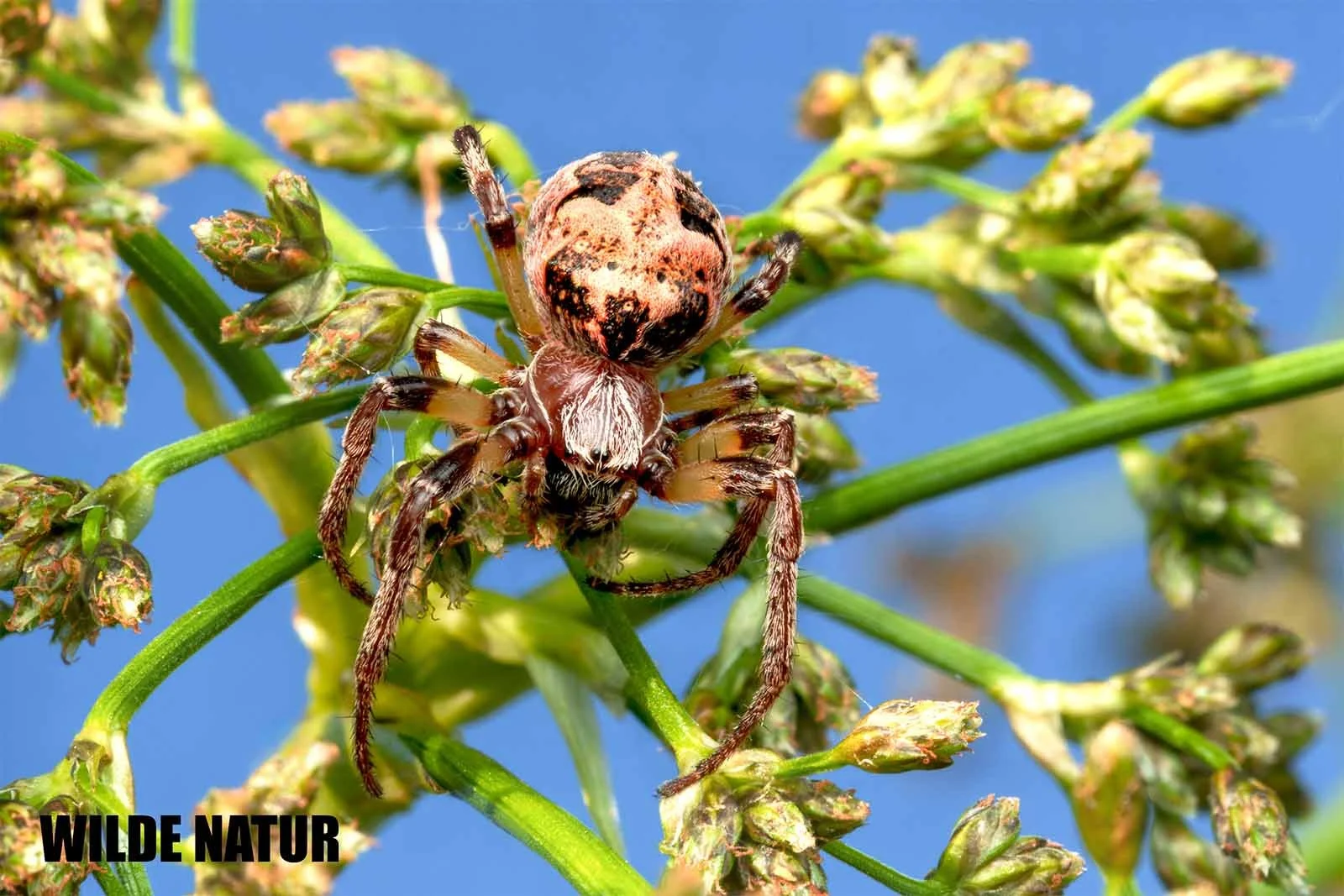
Furrow spider (Larinioides cornutus)
Furrow Spider – A Closer Look at Larinioides cornutus
Furrow spider (Larinioides cornutus): Learn all about this common orb-weaving spider found near water characteristics, behavior, web-building, and lifestyle.
Key Facts
- Size: Females approx. 9–13 mm, males approx. 6–8 mm
- Web type: Classic orb web, typically in reeds or moist meadows
- Behavior: Nocturnal, builds new web in the evening
- Habitat: Damp shorelines, reed beds, wet meadows
- Distribution: Europe, North America, Asia – common in Central Europe
- Harmless to humans
- Species name: Larinioides cornutus
- Common name (DE): Schilfradspinne
- Family: Araneidae (orb-weaver spiders)
- Active period: Spring through autumn
Table of Contents
- Introduction
- Appearance
- Characteristics
- Diet
- Reproduction and Development
- Seasonal Behavior
- Habitat and Distribution
- Interaction with Humans
- Good to Know
- FAQ
- Summary
Introduction
You may have seen it along a lakeshore—or admired its web without noticing the spider itself: the furrow spider, a classic member of the orb-weaver family, lives in many moist habitats across Europe. With its circular web, subtle yet variable appearance, and nocturnal hunting style, it often goes unnoticed—despite being quite common. This article introduces you to Larinioides cornutus: how it looks, how it lives, what it eats, and how it reproduces. And you'll learn why this spider deserves respect, not fear.
Appearance
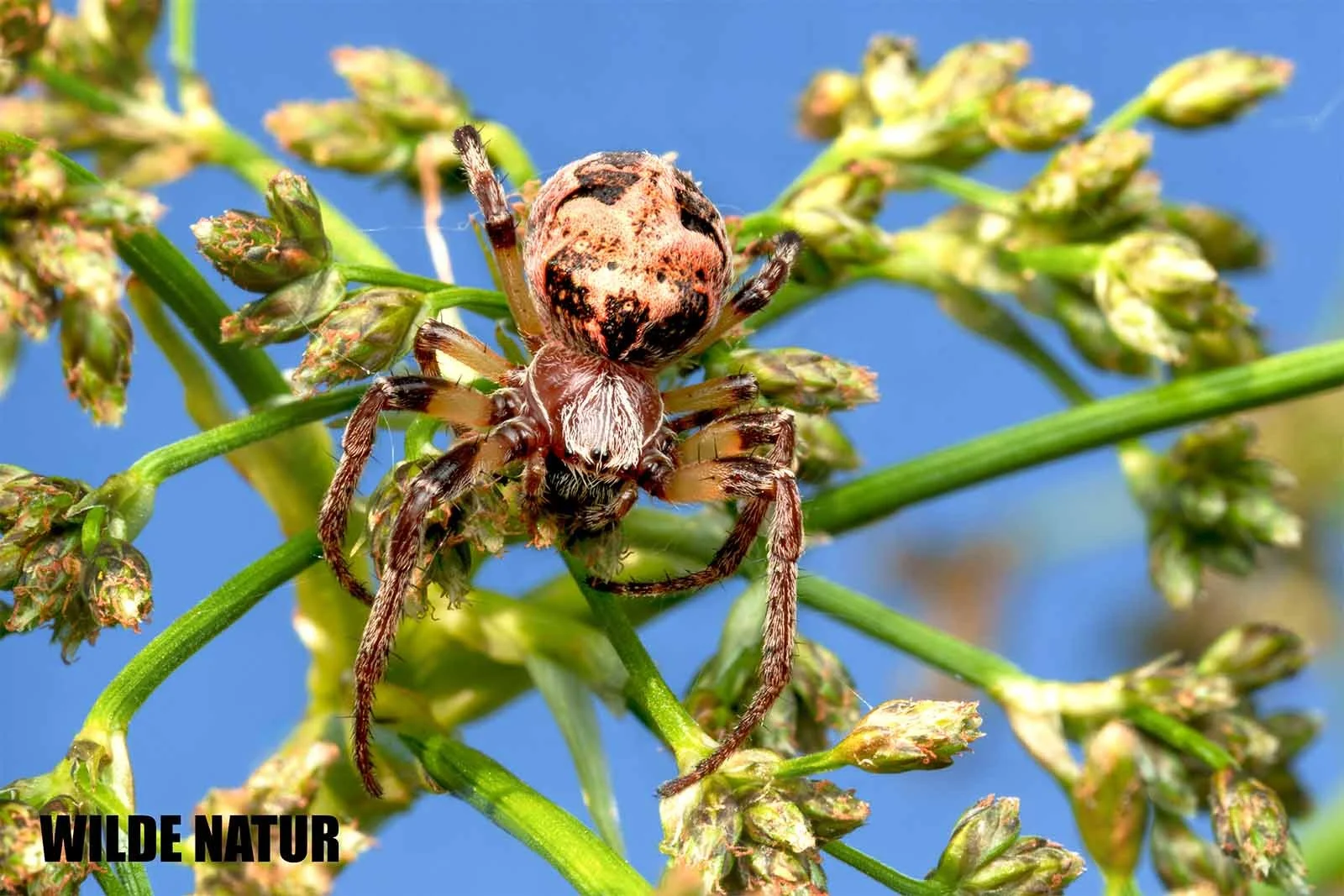
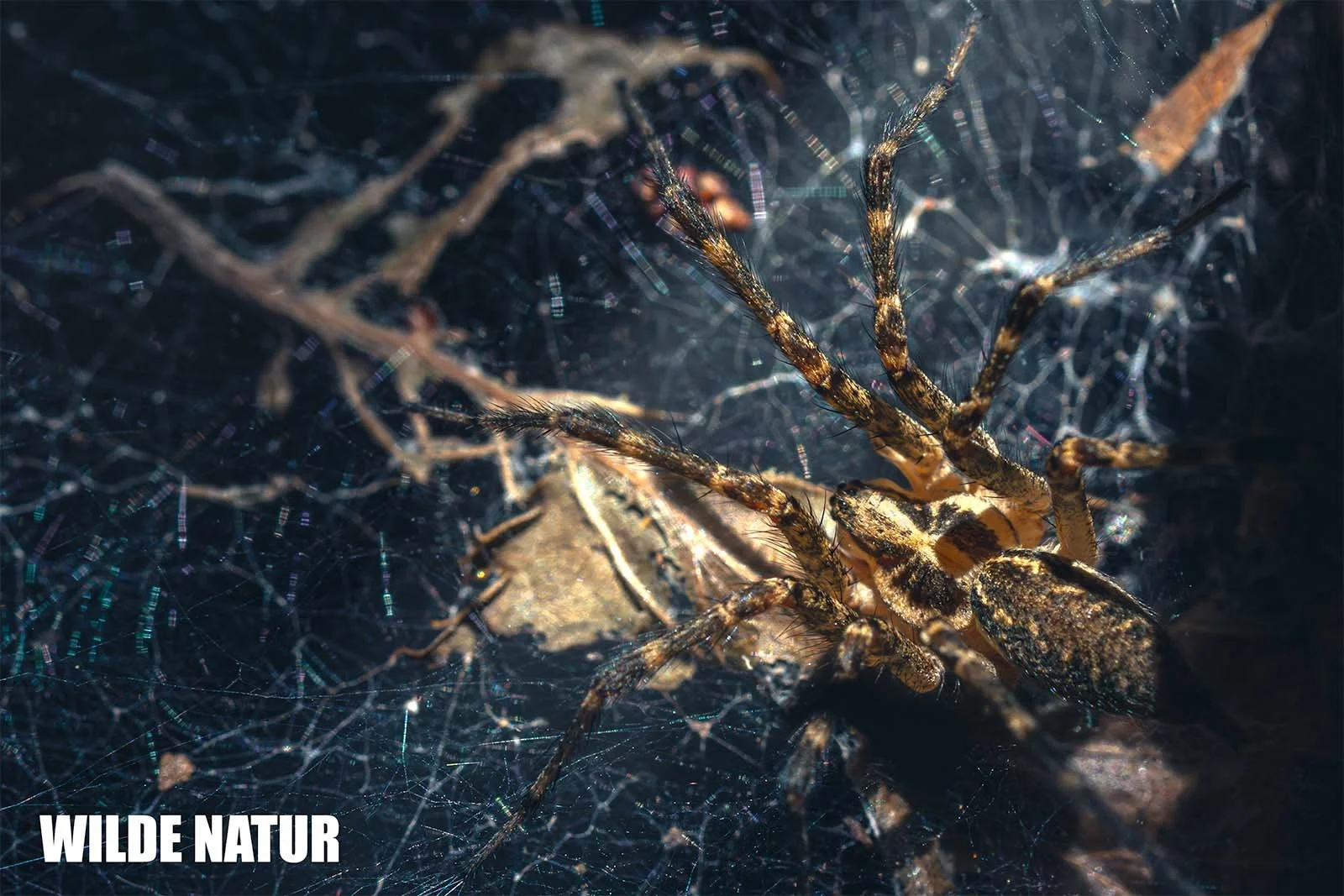
The furrow spider is a compact, rounded spider.
- Body structure typical of orb-weavers: a short, robust cephalothorax (prosoma) and a clearly defined oval abdomen (opisthosoma)
- Coloration varies widely: gray-brown to reddish-brown to dark tones, depending on the individual
- The abdomen often features lighter spots or patterns, resembling other orb-weavers
- Legs are relatively short and strong, sometimes with dark bands or shading
- Eyes arranged in two rows with eight eyes total, typical of this spider family
This variability makes quick identification tricky, but its habitat and web type provide clear clues.
Characteristics
Like many in its family, the furrow spider spins a circular web, with some notable features:
- Web location: Among reed stalks, low shrubs, or tall grass – always near water
- Web structure: Classic orb with relatively few radial threads – usually 15 to 20
- Retreat: During the day, the spider hides in a silken retreat at the web's edge, open at the bottom, and tightly woven
- Activity: Primarily nocturnal – the web is rebuilt at dusk and used for hunting overnight
- Camouflage: Hidden in the retreat and quick to flee if disturbed
These features make it a highly effective hunter in damp grasslands.
Diet
Like all orb-weavers, Larinioides cornutus feeds on prey caught in its web.
Typical prey includes:
- Mosquitoes
- Flies
- Small flying insects
- Tiny beetles or springtails near the ground
When prey hits the web and struggles, the vibrations travel along the radial threads. The spider dashes from its retreat, grabs the prey with its front legs, wraps it in silk, and kills it with a venomous bite. Digestion begins externally: the spider injects digestive enzymes, later sucking out the liquefied nutrients and leaving behind the empty exoskeleton.
Reproduction and Development
This species follows the typical orb-weaver reproductive pattern, with a few unique touches.
- Mating: Occurs in spring or autumn. The male cautiously approaches the female’s web, taps it with his legs, and may wait hours near the web or retreat.
- Co-habitation: Sometimes, males and females share the same retreat for a time—an uncommon behavior among spiders.
- Egg-laying: After mating, the female produces several egg sacs—typically 3 to 5—made of yellow silk and attached to or near the web.
- Hatching: Spiderlings emerge later and may disperse by ballooning—releasing silk threads to catch the wind and colonize new areas.
Seasonal Behavior
The furrow spider has distinct seasonal patterns:
- Spring: First adults appear, mating begins
- Summer: Peak season – web-building, hunting, egg-laying, territorial behavior
- Autumn: Final matings, retreat into sheltered areas or under bark
- Winter: Overwinters in retreats, under stones, inside cavities or plant matter
Webs are usually rebuilt each evening during the active season—damaged or dirty webs quickly lose their ability to trap prey.
Habitat and Distribution
Larinioides cornutus has a Holarctic distribution, meaning it occurs across:
- Europe
- North America
- Temperate Asia In Central Europe, you’ll regularly find it in:
- Reed beds along lakes and ponds
- Wet meadows
- Fens and marshlands
- Riparian woodlands
Despite its abundance, it’s often overlooked—its nocturnal habits and hidden retreats make it a mostly invisible predator at twilight.
Interaction with Humans
The furrow spider is completely harmless to humans.
- Bites or stings? Extremely rare and only in extreme distress
- Venom effects? Effective only on small insects—not harmful to people
- Shy? Yes—avoids contact and hides quickly if disturbed
- Helpful? Absolutely—helps control mosquitoes and flies, making it an ecologically valuable ally
So if you come across one of its webs: don’t destroy it! It’s quietly doing its part in natural pest control.
Good to Know
Web by the garden pond
In the evening, fine threads glimmer in the light—it’s likely a furrow spider’s web. A flashlight can reveal it beautifully.
Found a retreat?
If you spot a small, woolly silk bundle with just a few legs poking out: leave it be. The spider is waiting for nightfall to begin its hunt.
Afraid of spiders?
Knowledge reduces fear: this spider doesn’t bite, doesn’t crawl on people, and stays in its web. Watch from a distance, and you may witness fascinating behaviors.
FAQ
1. Is the furrow spider dangerous?
No. It’s harmless to humans and flees from contact.
2. How big does it get?
Females reach 9–13 mm; males are smaller at 6–8 mm.
3. Where can I find it?
In moist environments—especially reed beds and along ponds or rivers.
4. What does it eat?
Small flying insects like mosquitoes, flies, and occasionally beetles or other tiny prey.
5. When is it active?
From spring to autumn, mostly in the evening and at night.
Summary
The furrow spider isn’t flashy—but it’s a model of efficient adaptation, known for its classic web-building, and it plays a valuable role in local ecosystems. Next time you’re near water, take a closer look at the reeds—you might spot one of its perfectly spun orb webs or even the spider itself hiding in its retreat. Don’t worry: it won’t harm you. It’s just doing its job—and doing it well.