Two Essential Camera Settings — Bird Photography for Beginners

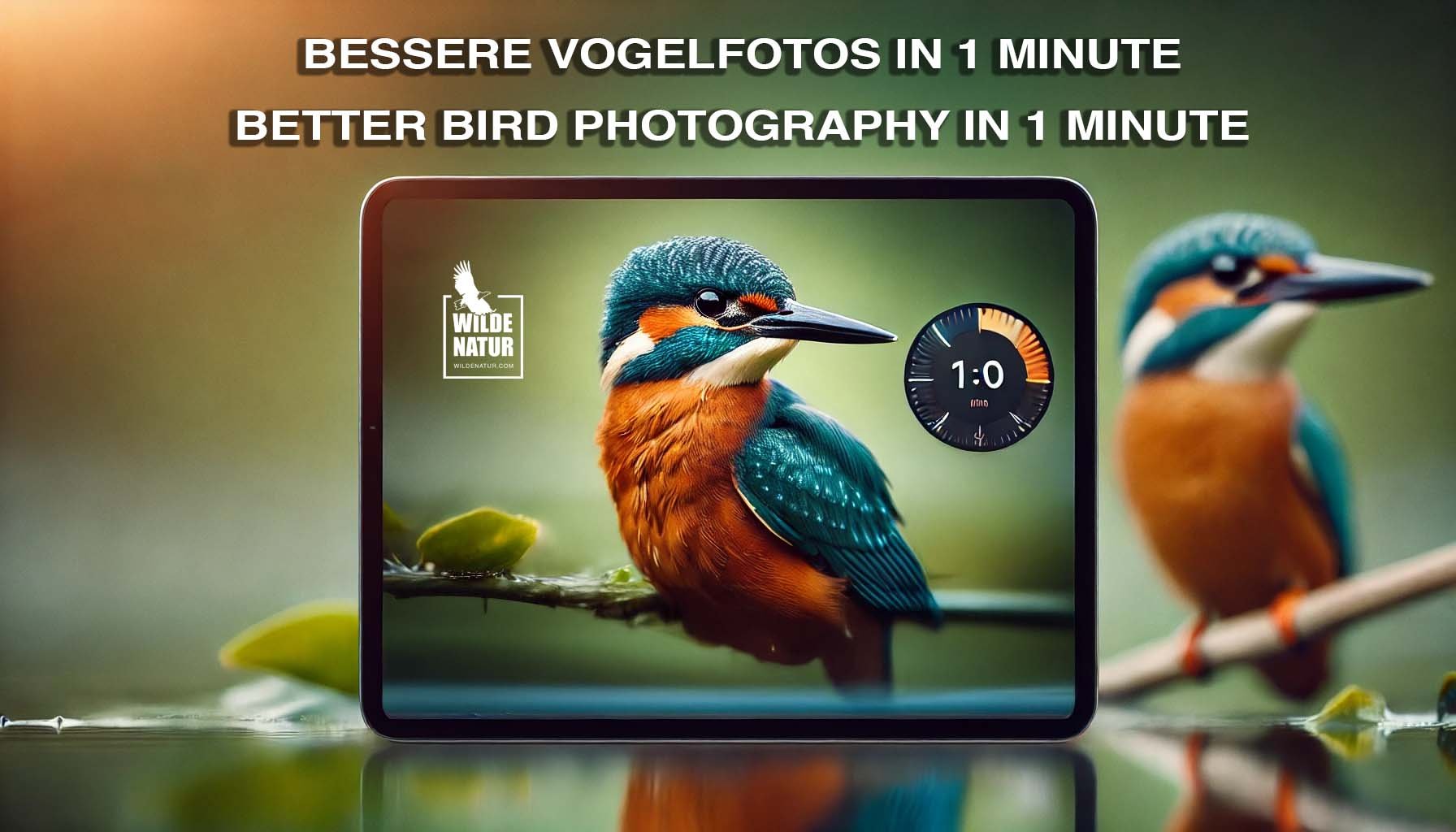
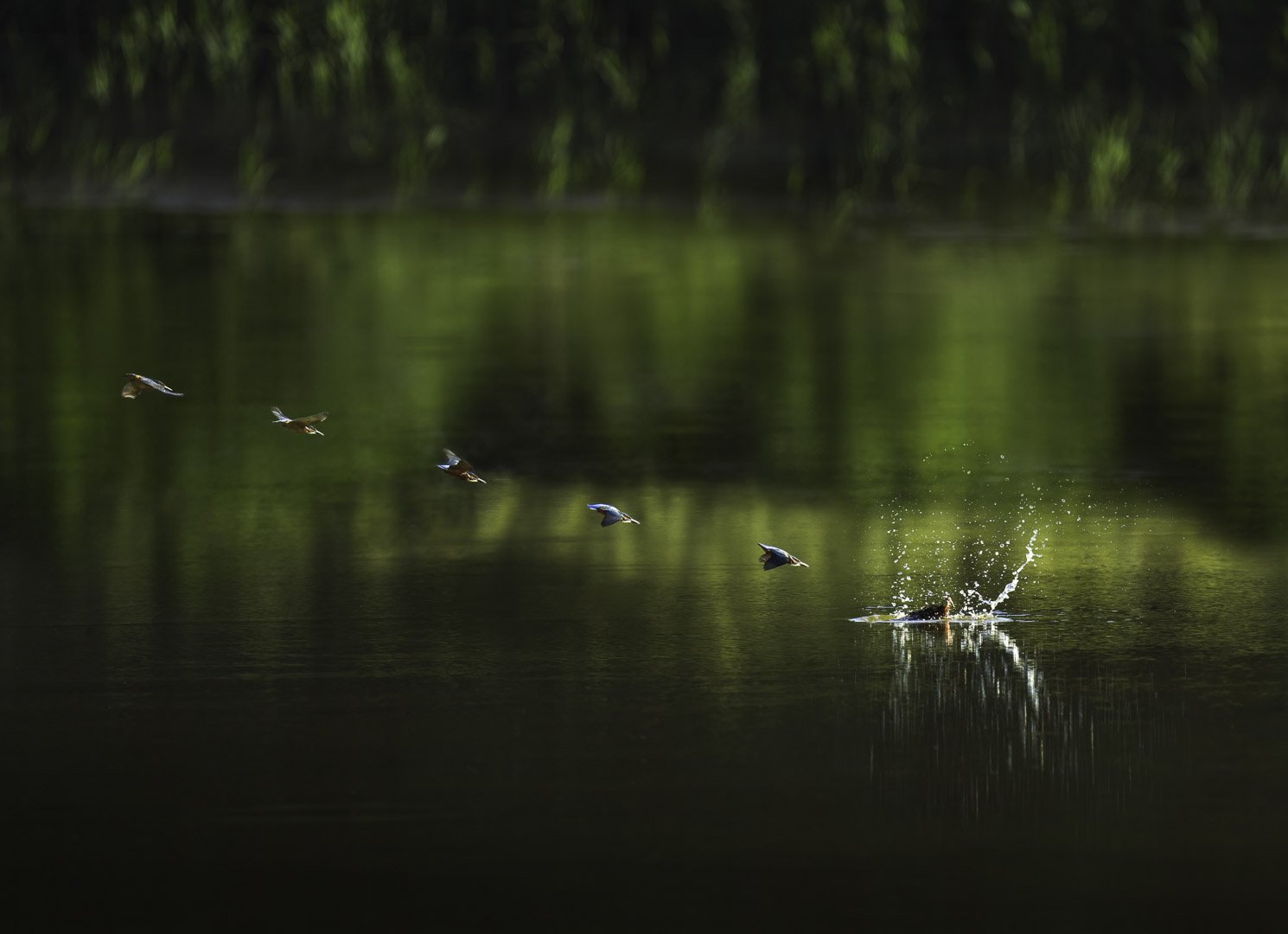
Kingfisher by the lake captured with Continuous Autofocus and Burst Mode
Two Essential Camera Settings - Bird Photography for Beginners
Hello dear friends of nature photography,
In my articles "Bird Photography for Beginners" I help you, as a beginner, prepare optimally for upcoming adventures with your camera in the wild. My last article covered the topic of "controlled environment" and guided you step by step to impressive wildlife photos.
In this article, I introduce two of the most important camera settings you need for bird photography: Continuous Autofocus and Burst Mode (or Continuous Shooting). These settings bring along several related topics, but I won't focus on those in this article for now and will address them in further articles in this series. To help you understand how these two camera settings significantly improve the quality and accuracy of your photos, I will first explain their advantages.
As a wildlife photographer who will often have moving subjects in front of you, wants to capture unpredictable situations, and loves fast-action scenes, you can benefit greatly from the combination of continuous autofocus and burst mode. Continuous autofocus helps your camera keep the focus on a moving subject, resulting in sharper images that better capture the dynamics of the subject.
Continuous Autofocus (Continuous AF)
Continuous autofocus keeps the focus automatically on a moving object. Unlike Single Shot Autofocus (AF-S/One Shot), it continuously adjusts the focus. This function is particularly useful for obtaining sharp photos of moving subjects.
Burst Mode (Continuous Shooting)
Burst mode allows you to take multiple pictures in quick succession by holding down the shutter button. This helps you capture the decisive moment and provides you with a selection of images from which you can choose the best one. This combination improves your image quality, as the camera can constantly adjust the focus while simultaneously taking several shots in a row. This is especially useful in rapidly changing situations or with unpredictable subjects.
Overall, using continuous autofocus and burst mode offers you a better chance of obtaining sharp and high-quality images of moving subjects and capturing the decisive moment. This ensures increased flexibility and adaptability to different situations.
Have you found the continuous autofocus setting on your camera?
The name of continuous autofocus can vary depending on the camera manufacturer:
Canon: AI Servo (AI Servo AF)
Nikon: AF-C (Autofocus Continuous)
Sony: AF-C (Autofocus Continuous)
Fujifilm: AF-C (Autofocus Continuous)
Panasonic: AFC (Autofocus Continuous)
In the next article, I will go into more detail about these two settings and their relationship with other settings on your camera. This will allow you to take even better advantage of continuous autofocus and burst mode, which will significantly improve your photos.
Until then, good light!
FAQ – Two Essential Camera Settings for Bird Photography
What are the two most important camera settings for beginners in bird photography?
Continuous autofocus (AF-C) and burst mode are the two key basic settings for sharp and reliable bird photos.
Why is continuous autofocus so important for bird photography?
Because birds are constantly moving, continuous autofocus keeps adjusting focus so that the subject stays sharp.
What is the difference between continuous autofocus and single-shot autofocus?
Single-shot autofocus focuses once and then stays fixed, while continuous autofocus constantly adapts the focus to the subject’s movement.
How does burst mode help in bird photography?
Burst mode captures several images per second, which significantly increases the chance of catching the perfect moment.
Why is the combination of AF-C and burst mode so effective?
Because the camera continuously tracks focus while capturing many frames, your success rate with fast and unpredictable movements increases dramatically.
For which situations is this combination especially suitable?
For birds in flight, takeoff and landing, hunting dives, food transfers, or rapid changes in direction.
What is continuous autofocus called on Canon cameras?
Canon refers to continuous autofocus as AI Servo (AI Servo AF).
Do I have to activate continuous autofocus manually?
Yes. You usually need to select continuous autofocus intentionally in the camera’s AF menu.
What exactly does burst mode mean?
Burst mode allows a rapid sequence of images as long as you hold down the shutter button.
Does burst mode automatically improve image quality?
Not the technical quality itself, but it greatly increases the likelihood of capturing a perfectly sharp and well-timed image.
Are continuous autofocus and burst mode suitable for beginners?
Yes. These two settings are ideal for beginners to quickly achieve better results in bird photography.
Are these two settings enough on their own for perfect bird photos?
They form the most important foundation, but you will later need to refine them with settings such as shutter speed, ISO, and autofocus area modes.
Why are these settings particularly important for unpredictable subjects?
Because birds can suddenly change direction, speed, and position—and these two functions are designed specifically for such behavior.
Can I use these settings for other wildlife subjects as well?
Yes. They are just as useful for mammals, insects in flight, or any other type of moving wildlife photography.