Seasonal Photography – Nature’s Unique Moments Year-Round

Seasonal Photography – Capturing Nature’s Unique Moments Year-Round
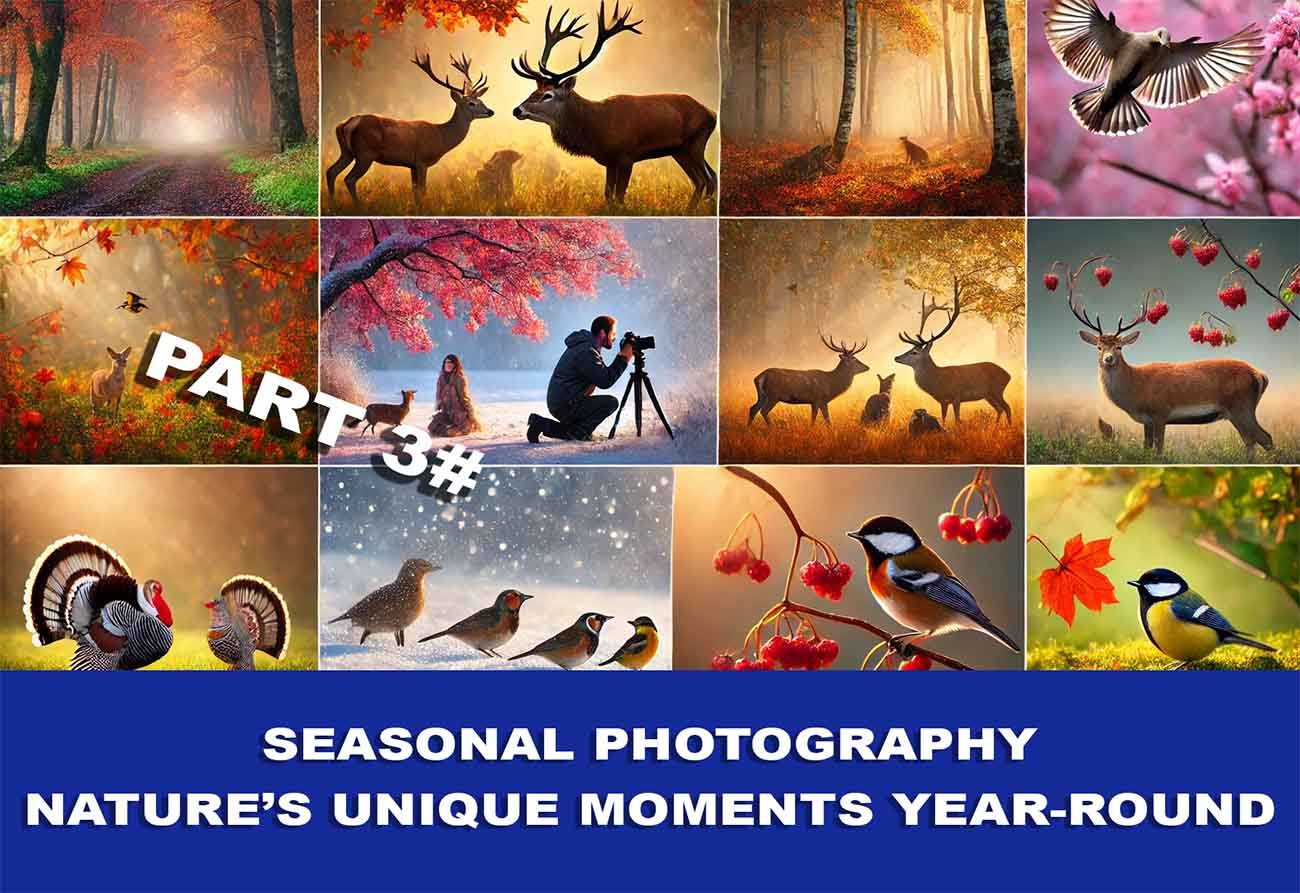
Nature has its own rhythm, and every season brings unique scenes to capture. By focusing on seasonal subjects, you can showcase the special moments each time of year offers and add rich variety to your photos.

Blackbird (Turdus merula) in winter on a frost-covered branch
Winter is the time to observe songbirds searching snowy bushes for berries. The snowy background, paired with bright berries, creates a striking color contrast and gives your photos a calm, clear look.

Red deer (Cervus elaphus) in the rut on a forest clearing at dusk
In fall, the deer rutting season offers an impressive spectacle and an exciting challenge for photographers. The deep calls of the deer, misty mornings, and warm autumn light create the perfect setting for moody and atmospheric shots. Colorful forests with changing leaves and active wildlife also make for great photo opportunities.

Two young osprey (Pandion haliaetus) on the forest floor
Summer is ideal for capturing young animals exploring their surroundings with curiosity. These playful, innocent moments add warmth and joy to your images, showing nature’s lighter side.

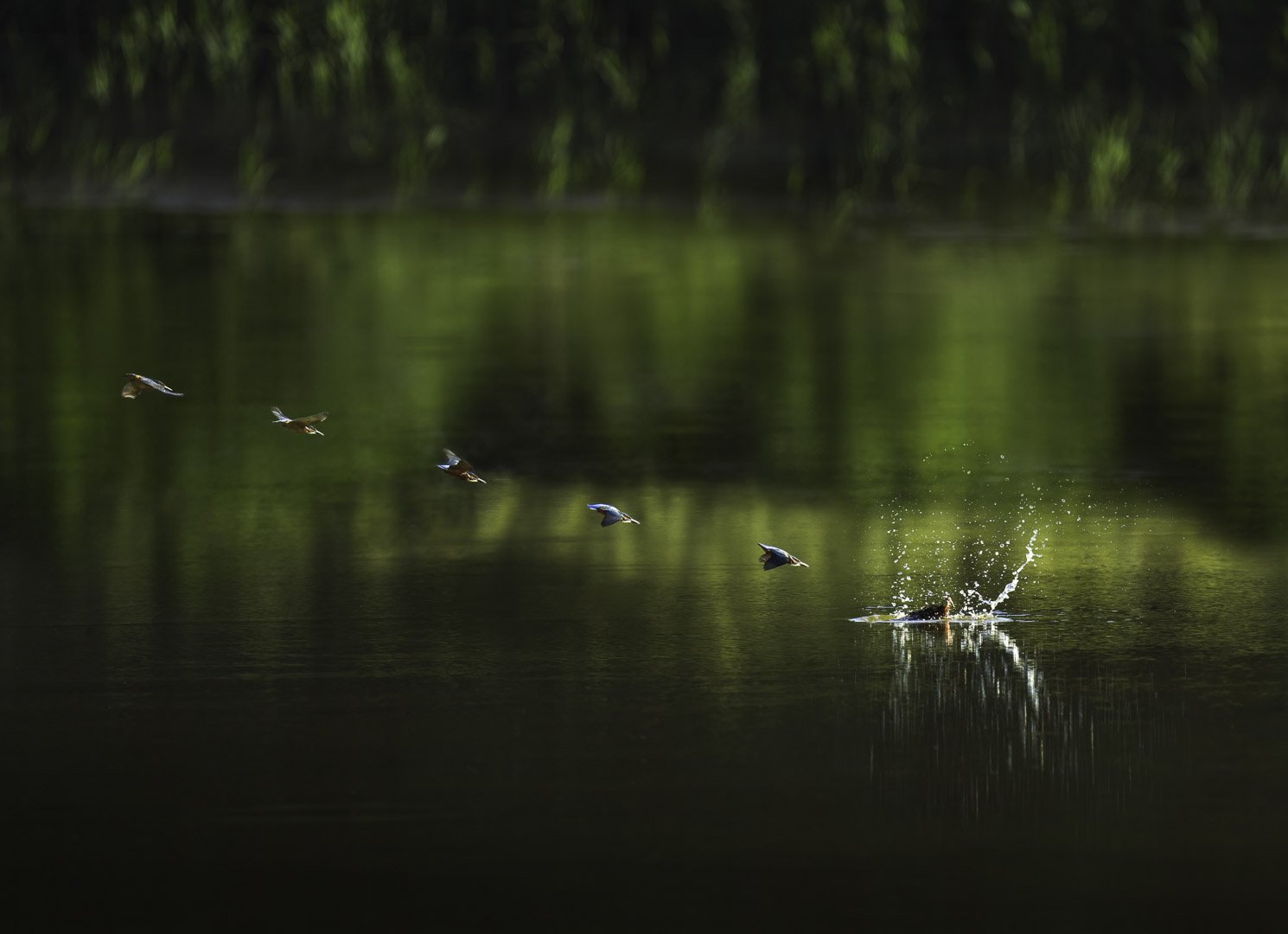
Bee-eater (Merops apiaster) in courtship
In spring, birds perform colorful courtship flights. These lively displays are not only fascinating to watch but also offer the chance to capture fast movement, helping you develop your action photography skills.
Remember to always put the well-being of animals first. Take photos from a safe distance and respect the animals’ space to keep both you and them safe. This way, your photos stay natural and respectful.
FAQ – Seasonal Nature Photography
What does seasonal photography actually mean?
Seasonal photography means photographing nature and wildlife in harmony with the time of year to capture typical moods, colors, and behaviors.
Why is it worthwhile to make deliberate use of the seasons in photography?
Each season offers unique subjects—from snow-covered winter landscapes to the deer rut in autumn, to courtship flights in spring, and young animals in summer.
Which subjects work especially well for winter photography?
In winter, songbirds on berry bushes, animals in the snow, and frosty details on branches make for particularly atmospheric images.
Why is autumn so popular for wildlife photography?
Autumn provides some of the most emotional and impressive settings in nature photography: the deer rut, mist, warm light, and colorful foliage.
What makes summer special from a photographic perspective?
In summer, you can often observe young animals exploring their surroundings—these subjects feel playful, lively, and full of lightness.
What photographic highlights does spring offer?
In spring, the spectacular courtship flights of many bird species stand out, offering perfect subjects for action and behavioral photography.
Which animals are especially suitable for seasonal photography?
Deer, songbirds, birds of prey, ospreys, and European bee-eaters are typical subjects that can be observed particularly well depending on the season.
What role do light and atmosphere play in seasonal images?
Light changes significantly throughout the year—from harsh summer light to soft winter light—and it strongly shapes the overall mood of an image.
How important is respectful behavior toward animals when photographing them?
Very important. Animals should never be disturbed or pressured. Photographing from a distance results in natural images and keeps the animals safe.
Who benefits most from seasonal nature photography?
It is suitable for beginners as well as experienced photographers because it trains your observation skills and provides varied subjects throughout the year.