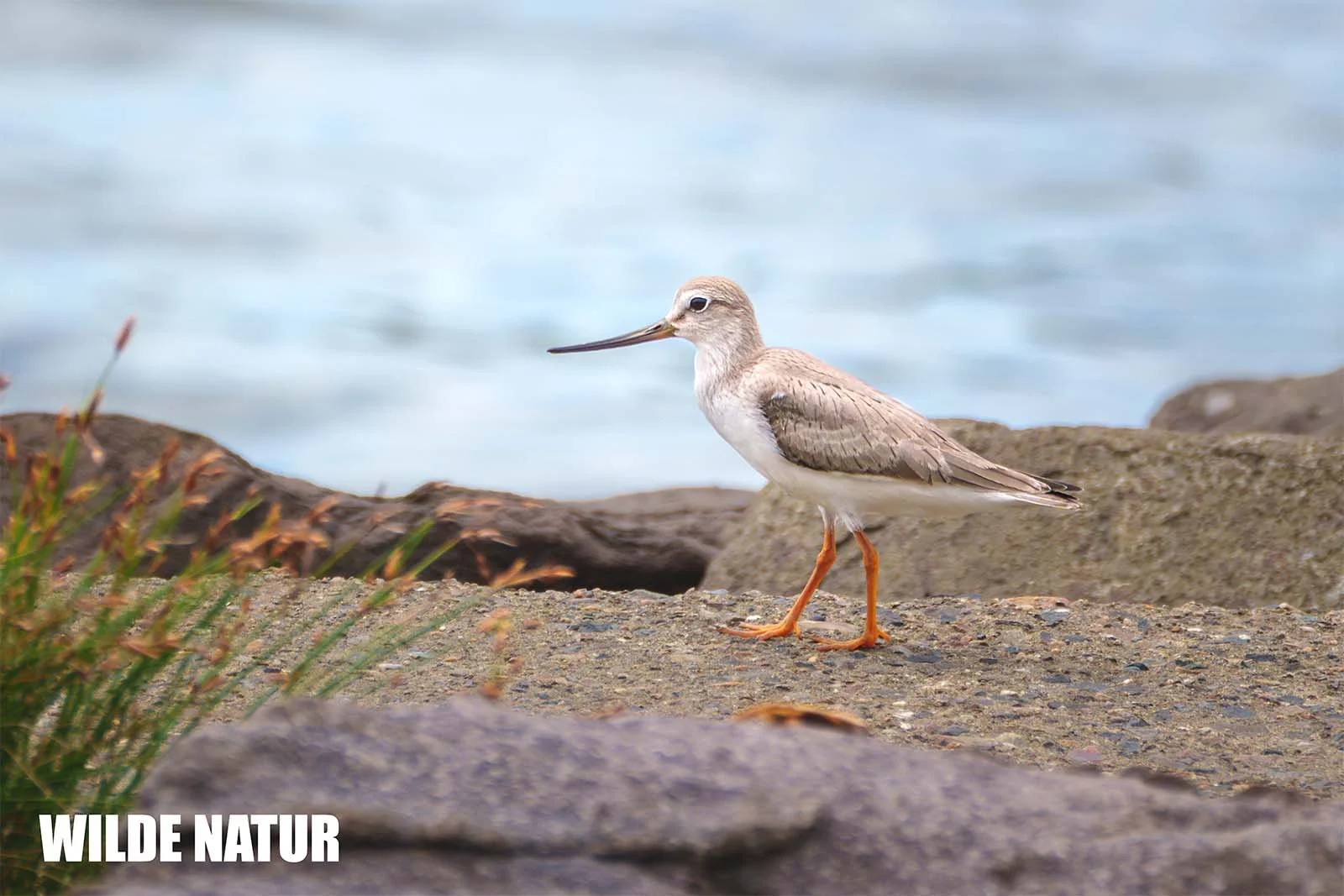
Common sandpiper (Actitis hypoleucos)
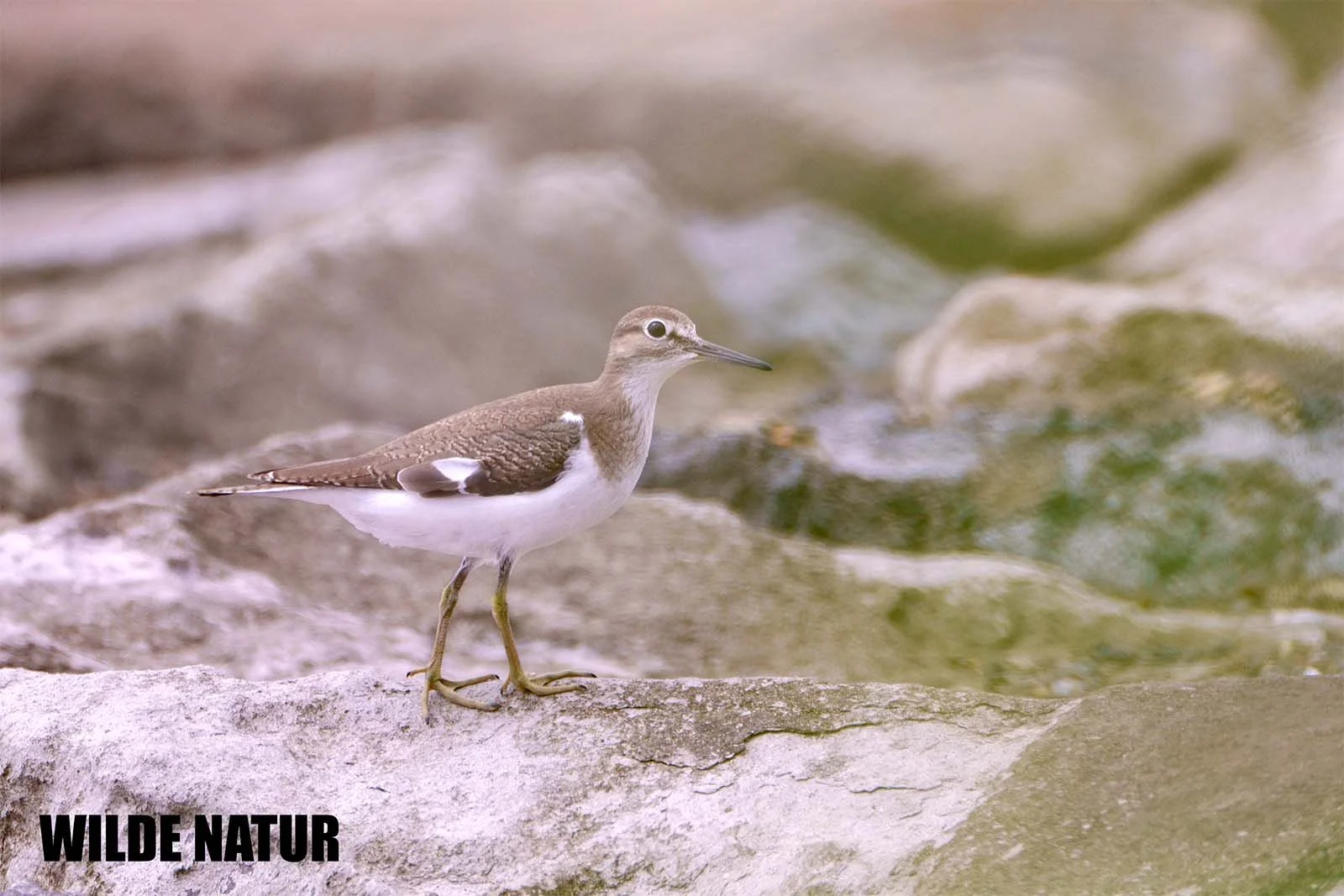
Common Sandpiper (Actitis hypoleucos)
Common Sandpiper: A Small Hunter with Quick Steps
Common Sandpiper – swift, shy, agile. Discover where it lives, what makes it special, and why it is a master of camouflage.
Key Facts
- Species name: Common Sandpiper (Actitis hypoleucos)
- Size: 18–20.5 cm
- Distinctive features: White wing stripe in flight, rapid body-bobbing while running
- Typical behaviour: Jerky running, low flight just above the water
- Scientific name: Actitis hypoleucos
- German name: Flussuferläufer
- ID highlights: White wing stripe, bobbing movement, jerky steps
- Habitat: Riverbanks, gravel bars, lakes with natural shorelines
- Diet: Invertebrates (mainly insects, spiders, crustaceans)
- Breeding: Ground-nester, well-camouflaged clutches
- Behaviour: Fast, shy, low-flying
—
Table of Contents
- Introduction
- How to Recognise the Common Sandpiper
- Habitat: Where It Feels at Home
- Behaviour & Diet: Swift, Shy, Efficient
- Breeding: Camouflage Is Everything
- FAQ – Common Sandpiper at a Glance
—
Introduction
It darts through river landscapes as if it wouldn’t harm a fly—and yet that’s exactly what it hunts. The Common Sandpiper is a true specialist of shallow, open shorelines with gravel, sand, and little cover. It may look inconspicuous but is easy to identify thanks to its constant bobbing, its bright white wing stripe, and its low, skimming flight just above the water.
Once you’ve spotted it, you won’t forget it anytime soon.
How to Recognise the Common Sandpiper
At just under 20 centimetres, the Common Sandpiper is one of the smaller waders—but full of character. It is quick, always on the move, and bobs its body while running. In flight, its trademark appears: a clear white stripe along the wings.
Detailed ID Features
- Upperparts: Brown-grey, with a bronze sheen in sunlight
- Underparts: Bright white, especially on breast and belly
- Bill: Straight, slender, dark—perfect for picking prey
- Legs: Short, grey-brown—ideal for agile movement
- Eyes: Dark, alert, without a pale eye-ring
- Flight pattern: Low over the water, with fast wingbeats and short glides
Juveniles show paler fringes on the upperpart feathers, giving them a slightly mottled look—excellent camouflage, but still recognisable.
Habitat: Where It Feels at Home
The Common Sandpiper is selective—but not fussy. What it needs are natural shoreline habitats:
- Rivers with gravel and sandbars
- Lakes with sparse vegetation
- Mountain streams with open banks
These open areas offer everything it needs: food, cover, nesting sites, and plenty of space for its quick dashes.
Behaviour & Diet: Swift, Shy, Efficient
A typical feature of the Common Sandpiper is its movement pattern: jerky steps, constant bobbing, always alert. It seems wound-up—but never frantic.
What It Eats
Its diet is varied but always linked to the water’s edge:
- Insects
- Spiders
- Small crustaceans
- Larvae and worms
It forages along the shoreline, picking between stones or probing in the sand—remaining remarkably inconspicuous.
How It Flies
Its flight runs low above the water, with rapid wingbeats followed by short glides. It often stays close to the waterline—almost like a passing shadow.
Breeding: Camouflage Is Everything
The Common Sandpiper nests close to the water, but so well hidden that its nest is rarely found. Nest sites are often tucked under clumps of grass or between stones—a shallow scrape lined with a little vegetation.
- Clutch size: Usually 4 eggs
- Breeding season: Spring to early summer
- Parental care: Both partners incubate and raise the young
- Protection: The eggs’ colours and markings blend perfectly with the ground
The camouflage is so effective that even experienced observers often miss the nests.
FAQ – Common Sandpiper at a Glance
1. Where can I see the Common Sandpiper?
Best at natural riverbanks, gravel bars, or mountain streams. The fewer plants, the better.
2. How big does it get?
Around 18 to 20.5 cm—slightly smaller than a Blackbird.
3. What behaviour is typical?
Body-bobbing, low flight, jerky movements, and constant scanning of its surroundings.
4. What does it look like in flight?
The white wing stripe is the key ID feature—hard to miss against the darker wings.
5. Does it breed near humans?
Rarely. It prefers quiet, remote shorelines with minimal disturbance.